The headlines call the GTA a balanced buyer's market. The June 2026 numbers say something else about the streets between South Kingsway and Runnymede, and a Swansea owner who reads the difference correctly can close in October at a price a spring listing will not touch.
This post is written for a homeowner on a Swansea or Bloor West Village street who has been half-thinking about a sale, watching the news, and quietly assuming the smart move is to wait. It probably is not. The mechanics have shifted, and the shift favors a September listing prepared with a specific pre-list file.
The number that describes a different market than the headline says
The story most sellers are hearing is the benchmark line. In June 2026, the GTA MLS Home Price Index benchmark eased to $940,800, down 5.4% year-over-year and down 0.6% month-over-month. That is the sentence that gets clipped into every summary.
The sentence directly underneath it is the one that matters for a Swansea listing decision. The sales-to-new-listings ratio was about 39.2%, up from 37.2% in May 2026 and well above the 31.2% a year ago, driven by 6,770 home sales in June 2026, an increase of 9.4 per cent compared to June 2025, and new listings down 12.9 per cent year-over-year to 17,282. TRREB's Chief Information Officer Jason Mercer read the same tape and wrote that if market conditions continue to tighten in the second half of 2026, selling prices could move in line with 2025 and eventually post some increases.
Two things are true at once. Prices are still slightly below where they sat a year ago. Supply is being absorbed noticeably faster than it was last summer. The gap between those two truths is the September window.
What "balanced" hides in W1
The 4.0-months-of-supply figure is a GTA average. It is not a description of the freehold market in the W1 statistical area, which covers the streets running from Lansdowne west through Roncesvalles, High Park, and Swansea.
From January to the end of May 2026, there were only 61 detached home sales in W1. That limited number of sales helps explain why the area has remained so competitive. Most detached homes in W1 have sold above $1.25 million, with only a very small number selling below $1 million. For a buyer looking for turnkey, the expectation in 2026 has generally been $2 million or more.
Now overlay the segment splits. In June 2026 across the GTA:
| Segment | June 2026 average | YoY change |
|---|---|---|
| Detached | $1.36M | down 2.0% |
| Semi-detached | $1.04M | down 4.7% |
| Freehold townhouse | $912K | down 5.5% |
| Condo apartment | $631K | down 9.4% |
Those splits are from the June 2026 TRREB data. Detached home average price decreased by 2% year-over-year to $1.36M. Semi-detached home average price decreased by 4.7% year-over-year to $1.04M. Freehold townhouse average price decreased by 5.5% year-over-year to $912k. Condo apartment average price decreased by 9.4% year-over-year to $631k.
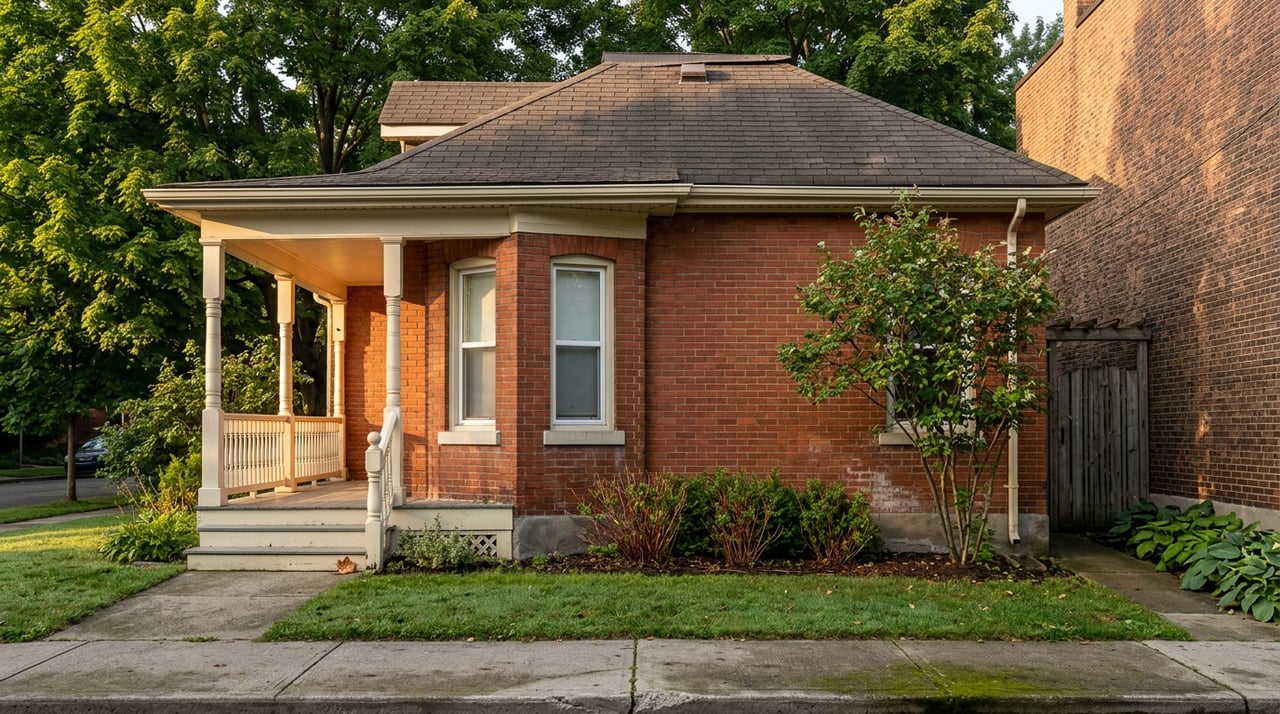
The Swansea seller is standing on the shallowest end of that pool. A detached brick house between Windermere and Runnymede is being priced against a segment that has moved 2% in twelve months, while a nearby Bloor-corridor condo comp has moved almost five times as fast. Buyers in September will be reading both numbers. The seller who understands which number applies to their house sets the reserve right.
The two questions a September 2026 buyer will bring that a March 2026 buyer didn't
Bottom-funnel readers care about the friction that surfaces at the offer table. In this market, the two friction points that were quiet in the spring are loud now.
The insurance file
Any pre-1950 brick house on a Swansea side street has three things a buyer's insurance underwriter has learned to ask about in 2026: knob-and-tube, galvanized supply plumbing, and the roof age. The underwriter's questions arrive after the offer is accepted, which means a clean offer can collapse at financing if the file is not built in advance.
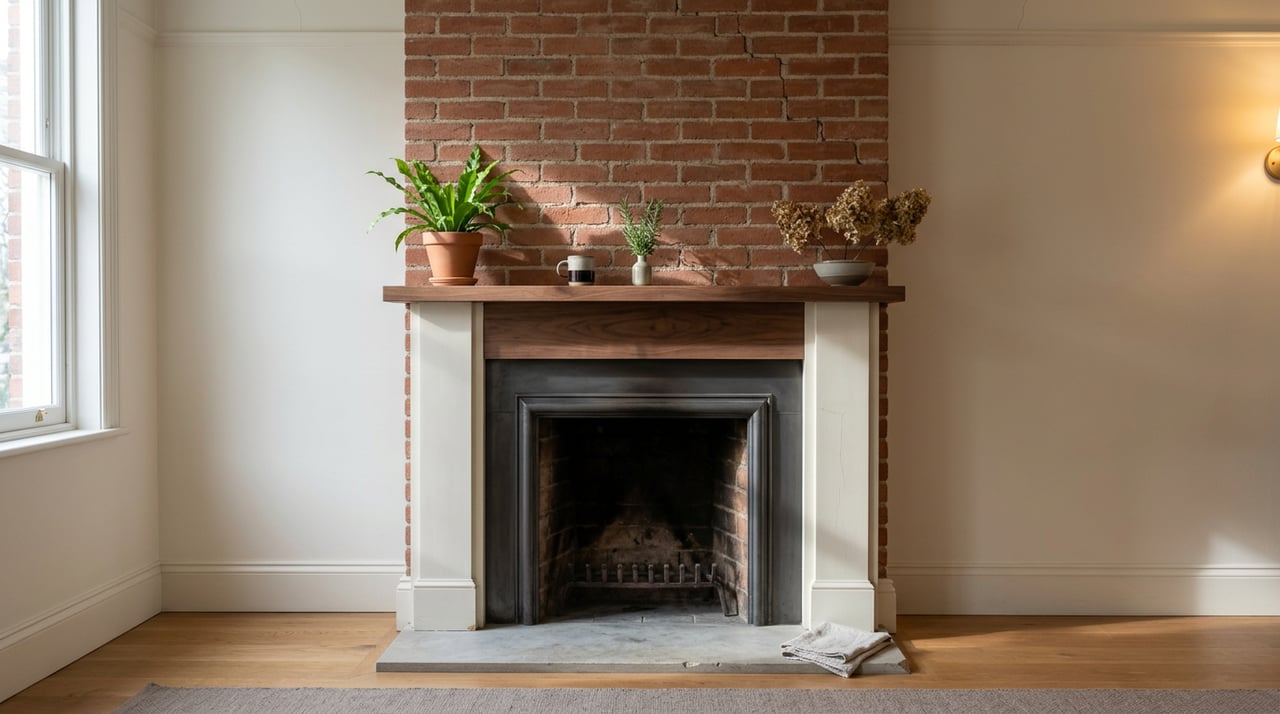
The move is to build the file before the sign goes up. Get the ESA on the electrical, a plumbing inspection with photo evidence of any partial copper conversions, a roof condition report if the shingles are within five years of end of life, and a WETT certificate on any wood-burning fireplace. None of these are legally required to list. All of them shorten the gap between accepted offer and firm deal, and that gap is where September closings die.
The bylaw question
A buyer walking a Swansea semi in fall 2026 is walking it after the City has published a stack of by-laws that change what the house can become. By-law 58-2026 alters permissions and performance standards for multi-tenant houses. By-law 648-2025 updates permissions and performance standards for detached houseplexes and semi-detached houseplexes, including duplexes, triplexes and fourplexes. By-law 654-2025 updates and expands permissions for fiveplexes and sixplexes in low-rise residential neighbourhoods within the Toronto and East York Community Council boundaries, which covers Swansea. Bloor Street West is on the Major Streets list, which under the Major Streets by-law permits small scale apartments and certain commercial uses on identified arterial roads.
Buyers now ask what the basement could legally be, whether the third floor is a legal second suite, and whether a lot backing onto Bloor has small-apartment potential. A seller who has never thought about these questions loses control of the narrative at the showing. A seller who has printed the zoning report and knows the difference between a house on a residential street and one abutting a Major Street answers in one sentence and moves on.
The pre-list moves that decide a September close
None of the below is legal, tax, or financial advice. It is a listing checklist built from the current file most buyers' agents in W1 are working with.
- Order the pre-list ESA and a plumbing report before staging.
- Pull a Toronto zoning printout for the property and, if the lot touches a Major Street, note it in the listing file.
- If there is a rented basement suite, confirm status under the current multi-tenant framework in By-law 58-2026 and have the paperwork ready for the buyer's lawyer.
- Get a written roof condition estimate. If it reads "5 to 7 years remaining," attach it.
- Book the Land Transfer Tax and closing-cost conversation with a real estate lawyer early. Toronto's municipal LTT is a second layer on top of the provincial tax, and Swansea prices put most sales into the top brackets.
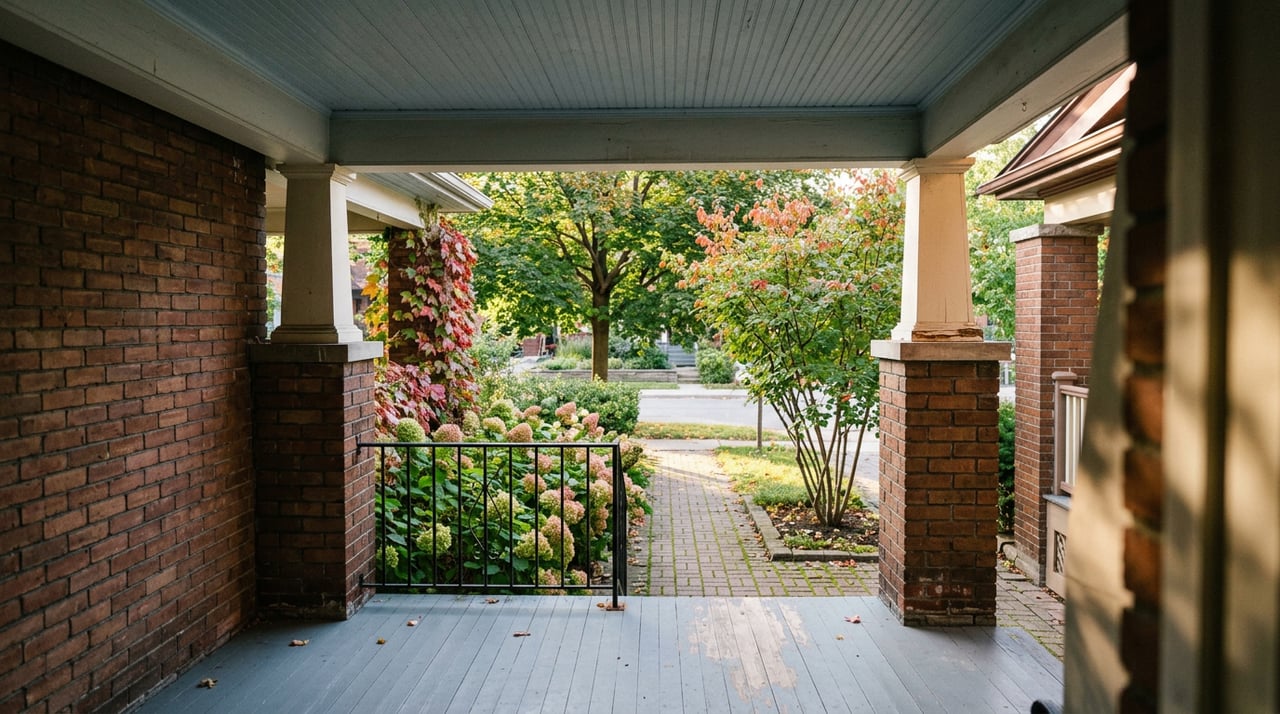
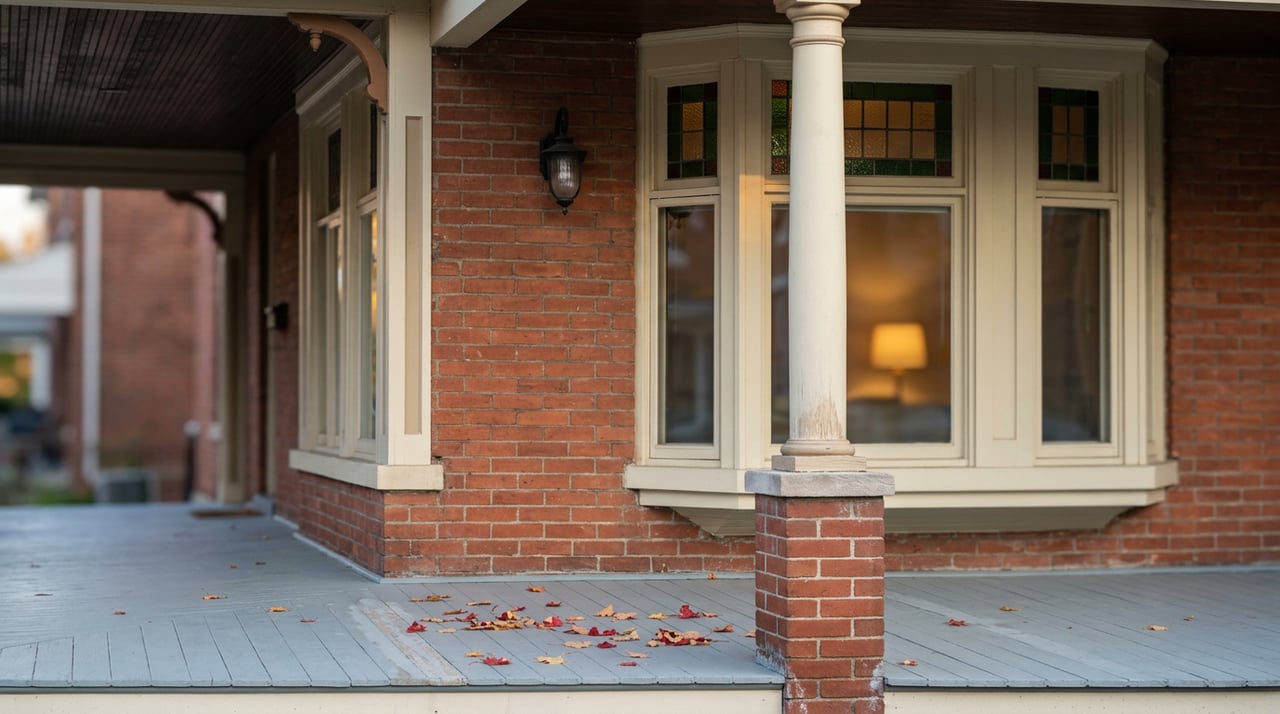
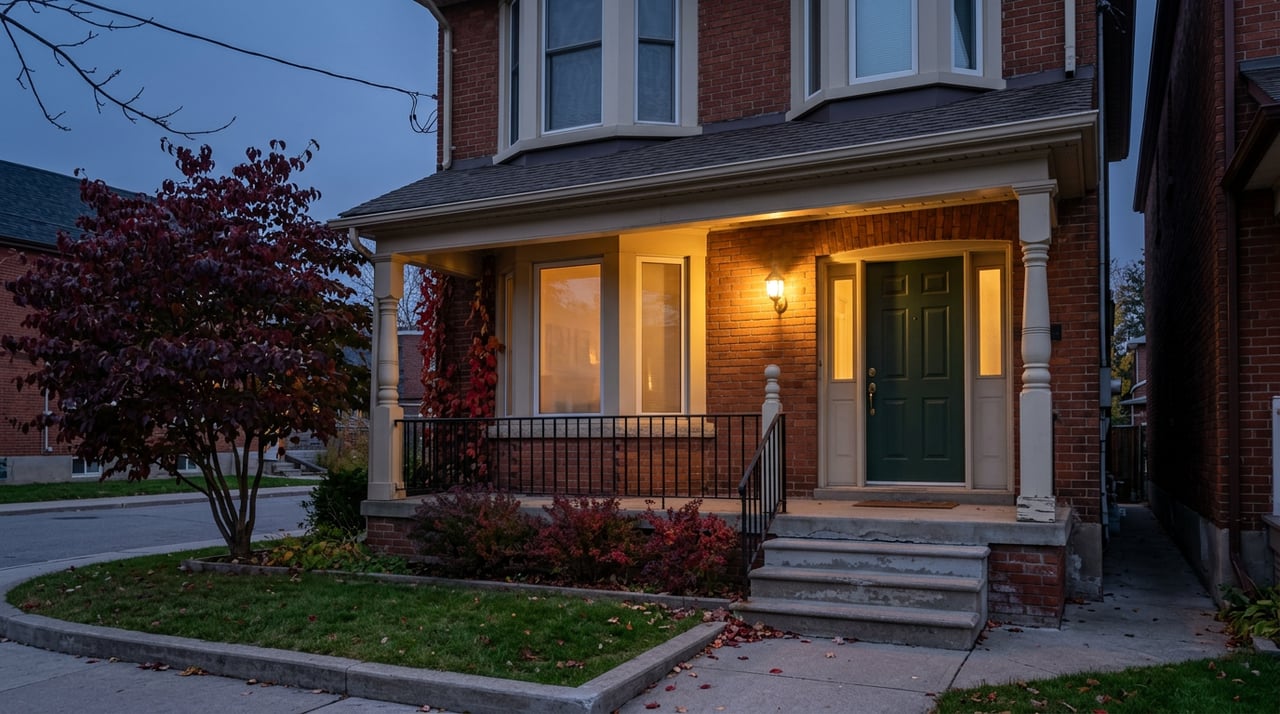
- Photograph the house on a bright September morning, not a July afternoon. The light through a west-facing bay in October reads on camera the way the house actually feels in the fall.
When September beats March
The instinct to wait for spring is built on a memory of 2016 through 2021, when spring meant more buyers than listings and every extra week meant more money. That memory is not accurate for the market a Swansea owner is selling into today.
In June 2026, active listings were 13.5% below June 2025, and sales rose faster month-over-month than new listings. That is the shape of a market absorbing supply.
The interpretation for a Swansea freehold: buyers who spent the spring watching, financing renewals, and waiting for the Bank of Canada are re-entering in September with pre-approvals that expire before Christmas. They are looking at a thinner listing shelf than last September because owners who could hold have held. A well-prepared house on a Swansea street in the week after Labour Day is competing against fewer comparable listings than it will in April, when every held-back property comes to market at once.
Spring 2027 is not a bet on a stronger market. It is a bet on a bigger shelf. In a segment where a Swansea detached moved 2% in a year, the shelf size is the variable that matters.
Local anchors still matter to the buyer walking the house. Proximity to Rennie Park, the Swansea Town Hall programming, the Runnymede branch of the Toronto Public Library, and the Bloor West Village retail strip, which the businesses organized in 1970 into the first mandatory business improvement district, are the lifestyle proofs that hold price against a broadly softer segment. Note them in the listing narrative. They are why the ratio on your street is different from the ratio in the June TRREB press release.
FAQ
Is a September listing better than an early October one?
Both work in this market. The first ten days after Labour Day capture buyers who want a firm deal before Thanksgiving. The first two weeks of October catch buyers whose September offers fell through. A house that is show-ready by August 30 can list in either window. A house that needs three more weeks of prep should aim for the October window rather than rush.
What does the buyer's underwriter actually check?
Underwriters in 2026 are checking electrical (knob-and-tube presence), the primary water supply line material, roof age, and any wood-burning appliance. If the house has any of the four, expect a request for documentation before the file is bound. This is a shift from 2019, when most of these were handled by the inspector and never reached the insurer.
Should a rented basement suite be vacated before listing?
It depends on the buyer profile the house is being marketed to. A move-up family buyer typically wants vacant possession. An end-user who wants a legal income unit will pay more for a suite that is documented and compliant under the current multi-tenant house framework. The decision is worth making before photos, not after an offer arrives.
What about the condo market on Bloor?
The Bloor-corridor condo segment is the softest part of the local market, with the GTA condo apartment average down 9.4% year-over-year in June 2026. A Swansea freehold seller should read that as a comp buyers will bring to the table, not as a price they need to match. The house is a different asset in a different segment.
If you are weighing a fall listing on a Swansea or Bloor West Village street and want a straight read on your specific block, Kim Kehoe and the team at Bosley Real Estate's Queen West office have been listing in this pocket since 1998 and are happy to walk the house before you commit to a date.