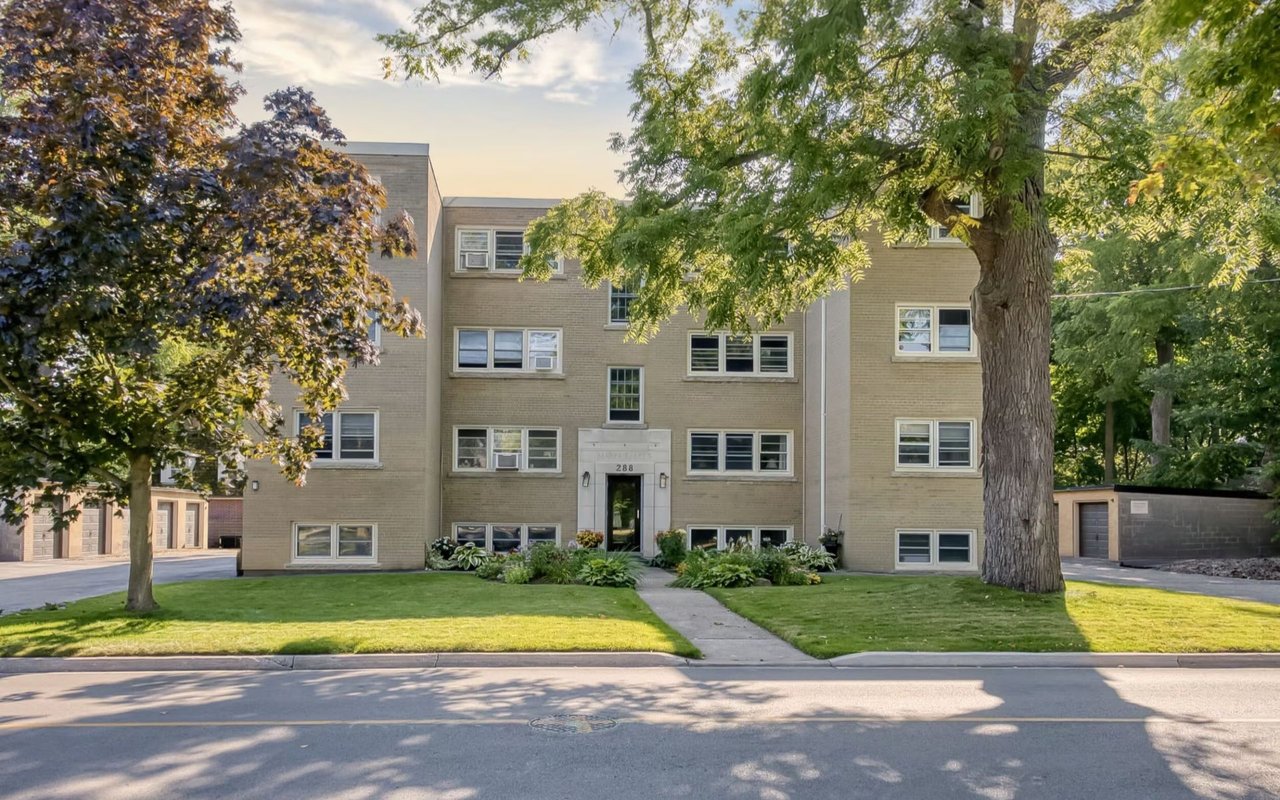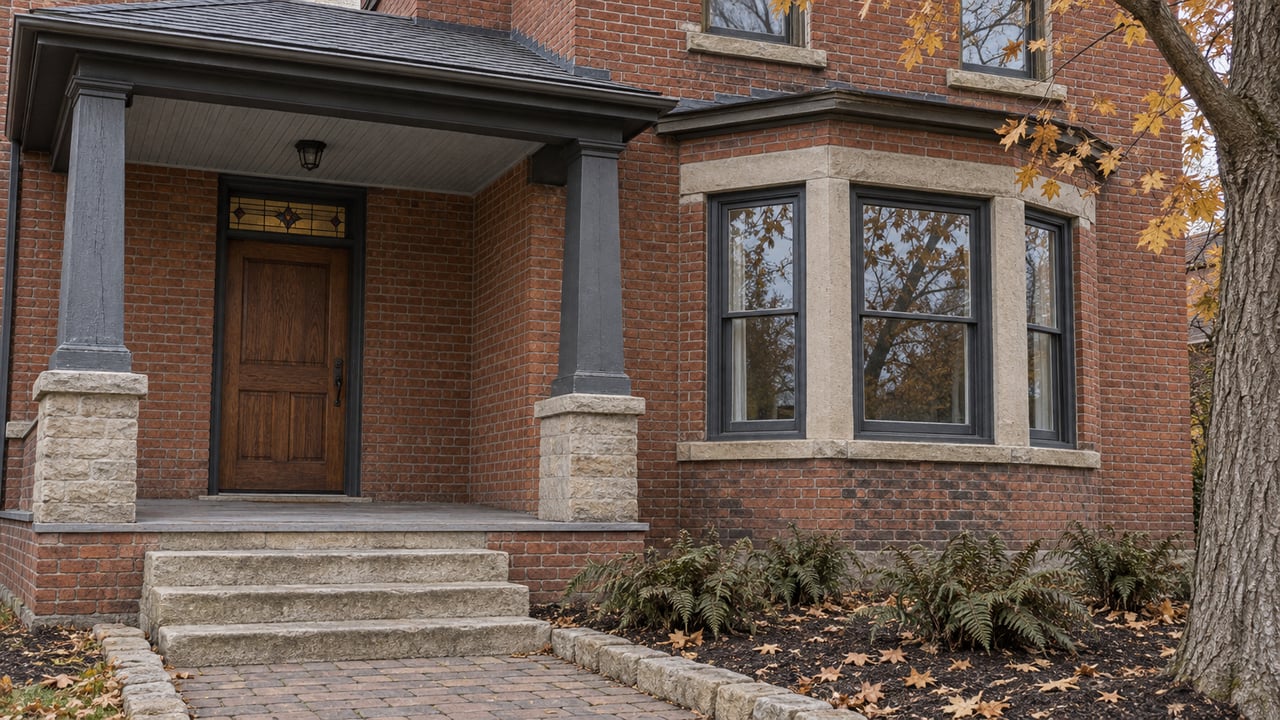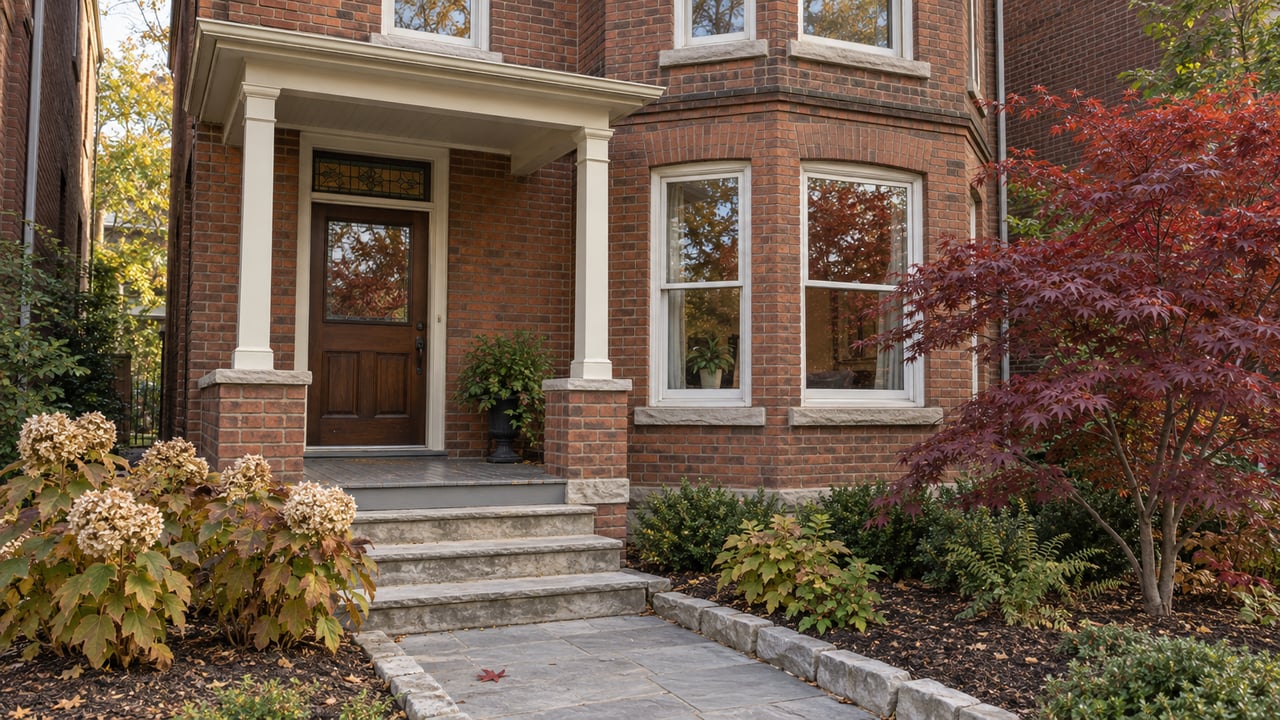
In the last week of May, a three-bedroom freehold townhouse on Kennedy Avenue in Swansea went on the market at just under $1.1 million, with an offer date set for the following week. In that week, 50 groups came through the open house and there were about 40 private showings. On June 3, 2026, seven offers arrived, and the home sold for $1,230,000. That was $131,000 over asking, according to Toronto Life's account of the sale.
The listing team told the magazine they had deliberately listed below market value to attract multiple buyers. That detail explains a set of numbers that otherwise look contradictory. In the Toronto Regional Real Estate Board district that covers High Park and Swansea, freehold houses keep selling well over their list prices, and the benchmark prices for those same houses keep falling. Both are true at the same time because the over-asking figure measures how sellers set their list prices. It does not show where values are going.
A Ratio With the Seller's Number on the Bottom
The figure behind "over asking" is the sale-price-to-list-price ratio, or SP/LP. The sale price on top comes from buyers. The list price on the bottom comes from the seller and their agent, and it is a strategic choice. If the bottom number is set low on purpose, the ratio comes out high whatever the market is doing.
TRREB reports this ratio by district every month. In September 2026, detached houses in district W01 sold at an average of 106% of list price after an average of 11 days on market. Semi-detached houses sold at 111% of list after 13 days. Across the City of Toronto that month, detached houses averaged 98% of list.
In the same September 2026 report, TRREB's benchmark price for a W01 detached house was $1,861,300, down 5.36% from a year earlier. The attached benchmark, which covers semis, was $1,204,800, down 6.28%. So houses were selling above their asking prices, and the value of a typical house in the district was lower than it had been the September before.
A Year of Falling Benchmarks Left the Ratio Where It Was
If the over-asking ratio tracked market heat, it should have dropped as benchmarks fell. It barely changed.
| W01, September | Detached SP/LP | Semi-detached SP/LP | Condo apartment SP/LP |
|---|---|---|---|
| 2025 | 107% | 109% | 96% |
| 2026 | 106% | 111% | 96% |
These are small monthly samples. W01 recorded 11 detached sales in September 2026 and 12 in September 2025, so one unusual sale can move an average. The pattern still holds. Over a 12-month stretch when the detached benchmark fell by more than 5%, W01 freeholds kept selling above list by about the same margin. A ratio that holds steady while values fall reflects a habit in how houses are listed. Across the wider region, TRREB reported September 2026 GTA sales down 9.0% from a year earlier and the average price down 5.1%, so the falling benchmark was not a local quirk.
Eleven Sales Over Asking, Averaging Below the Benchmark
One more figure from the same month makes the point. The 11 W01 detached houses that sold in September 2026 averaged $1,760,545. That is about $100,000 below the district's $1,861,300 detached benchmark, even though as a group they sold at 106% of their list prices.
Part of that gap comes from which houses happened to sell. An average of 11 sales depends on whether they were large or small, renovated or original. Still, it shows that "sold over asking" and "sold above what a comparable house is worth" are separate claims. For a buyer, the useful comparison is between the sale price and the house's value. The comparison between the sale price and the seller's chosen opening number tells you much less.
When the Tactic Misses, and When Sellers Skip It
Underpricing does not guarantee a bidding war, and the spring 2026 sales Toronto Life reported show both ways it can go.
In the Dovercourt–Wallace Emerson–Junction area, a Delaware Avenue house was listed below value to "create urgency," according to Toronto Life. It drew 35 showings over four days. The seller accepted an unconditional offer of $1,285,000 on March 29, 2026, which was $14,000 under the $1,299,000 asking price. The asking price was set low, and the sale still came in below it.
In South Parkdale, a renovated century house on a corner lot on Cowan Avenue went the other way. The same Toronto Life piece reports it was priced slightly above the seller's expectations at $1,295,000, with the agent expecting offers below asking. One offer arrived after just over a week. After some back-and-forth, the house sold on March 2, 2026, for $1,255,000. That was $40,000 under list, and the agent described it as within the range the seller needed.
The Cowan Avenue house had a sale-to-list ratio below 100% and sold where its owner wanted. The Kennedy Avenue townhouse had a ratio well above 100% because its list price started below market. In each case the ratio came from the pricing decision, and the market's verdict was the sale price. The Kennedy Avenue listing team explained their thinking to Toronto Life:
"Counterintuitively, pricing a home at or near market value can generate less interest these days. Had we listed this property closer to its true value, we likely would have received fewer bids."
The same team added that the list price has to fall in a "Goldilocks zone," low enough to draw buyers but not so low that reaching the home's real value starts to look unrealistic.
The Condo Side of the Same District
W01 condo apartments show what pricing looks like without the offer-night approach. In September 2026, they sold at an average of 96% of list after 35 days on market. TRREB counted 12 sales that month against 111 active listings, which works out to roughly nine months of supply at that pace. The W01 apartment benchmark was $541,900, down 5.77% year over year. In September 2025, the ratio was the same 96%, with 20 sales against 102 active listings.
With that much inventory, a deliberately low condo list price risks selling at that price, because there may not be enough buyers to compete it back up. Freehold houses in the same district had 36 detached and 13 semi-detached active listings in September 2026, a much thinner supply. A low list price only produces an over-asking sale when enough buyers show up to compete for the property.
What an Offer Night Can and Cannot Tell You
Once a W01 house is listed low with an offer date, the main piece of information a buyer gets on the night is how much competition there is. Under the rules set by the Real Estate Council of Ontario, the seller's agent must tell each person making an offer how many competing written offers there are. The contents of those offers, which may or may not include price, can be shared only if the seller gives written direction, and personal or identifying details stay private. RECO Bulletin 4.1 sets out the details.
Offers that arrive before the offer date are covered separately. RECO Bulletin 4.3, effective December 1, 2023, defines a pre-emptive or "bully" offer as one that doesn't follow the seller's delayed-offer process. It requires the seller's written instructions to say how such offers will be handled. This is general information rather than legal or financial advice, so confirm how these rules apply to your own offer with your agent and a real estate lawyer.
Reading a High Park Listing This Fall
If the over-asking ratio is mostly about strategy, a buyer comparing houses in this district can set it aside and focus on four other things:
- The benchmark for the house type. In September 2026 that was $1,861,300 for a W01 detached house and $1,204,800 for attached. Use it as the starting point and adjust for size, condition and lot.
- Whether there is an offer date. A list price with an offer date a week out is an opening bid. A list price with no offer date is closer to what the seller actually expects.
- Condition. In the Cowan Avenue sale, the agent told Toronto Life the house did well because it was move-in ready. She also said older homes that need major repairs tend to take longer to sell.
- Days on market. W01 detached houses averaged 11 days in September 2026. A house that has been listed for weeks past its offer date may not have found the competition its price was set to attract.
Two dates are coming up. The Bank of Canada held its policy rate at 2.25% on September 2 and makes its next scheduled decision on October 28, the Wednesday after this post goes up. TRREB's October numbers, the first district figures to reflect this fall's offer nights, are due in early November. In late August, CMHC's lead GTA housing economist, Jordan Nanowski, told CBC that the market had "transitioned from a buyers market to more of a balanced market."
FAQ
Does selling over asking mean High Park prices are rising? Not on its own. In September 2026, W01 detached houses sold at 106% of list while the district's detached benchmark was down 5.36% year over year.
Do semis behave differently from detached houses here? In September 2026, W01 semis sold at 111% of list, above the 106% for detached houses, from only five sales, while the attached benchmark fell 6.28%.
Will I find out what other buyers offered? Only if the seller gives written direction to share it. You will be told how many competing written offers there are.
If you're getting ready for an offer night in High Park or Swansea and want help working out what a particular house is likely worth before you bid, the team at Kim Kehoe can go through the recent sales and the benchmark for that home type with you.