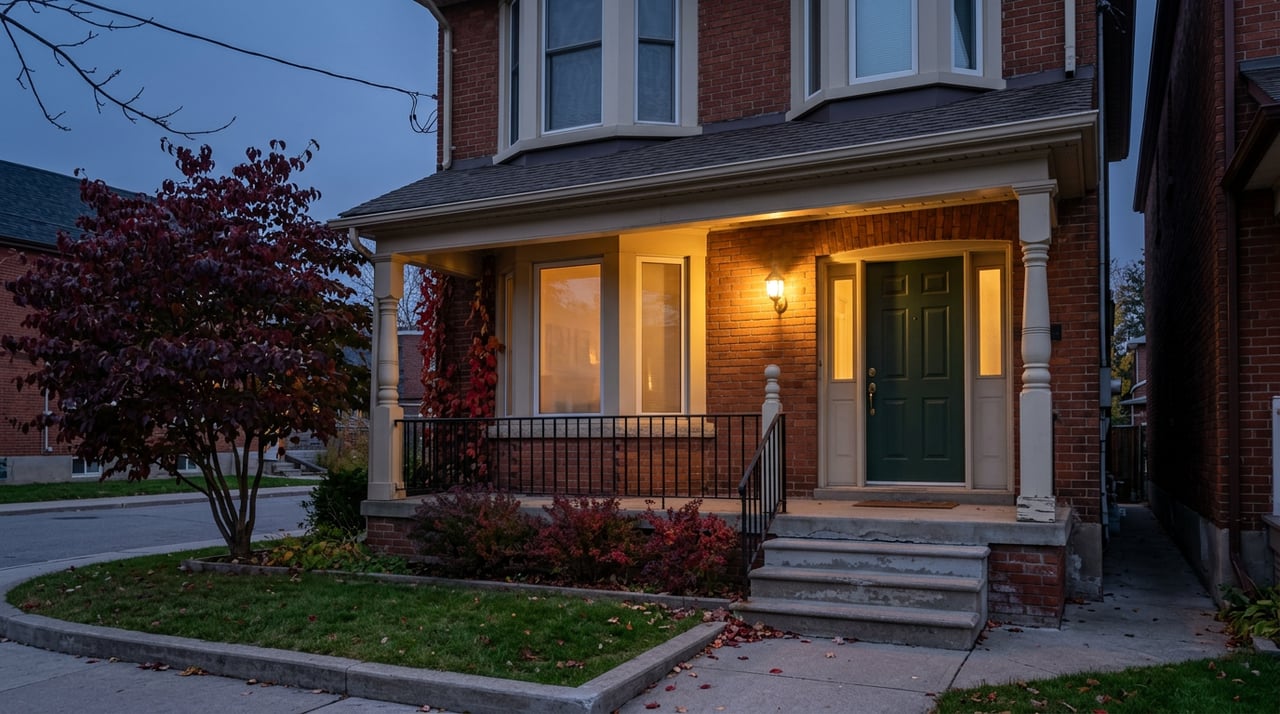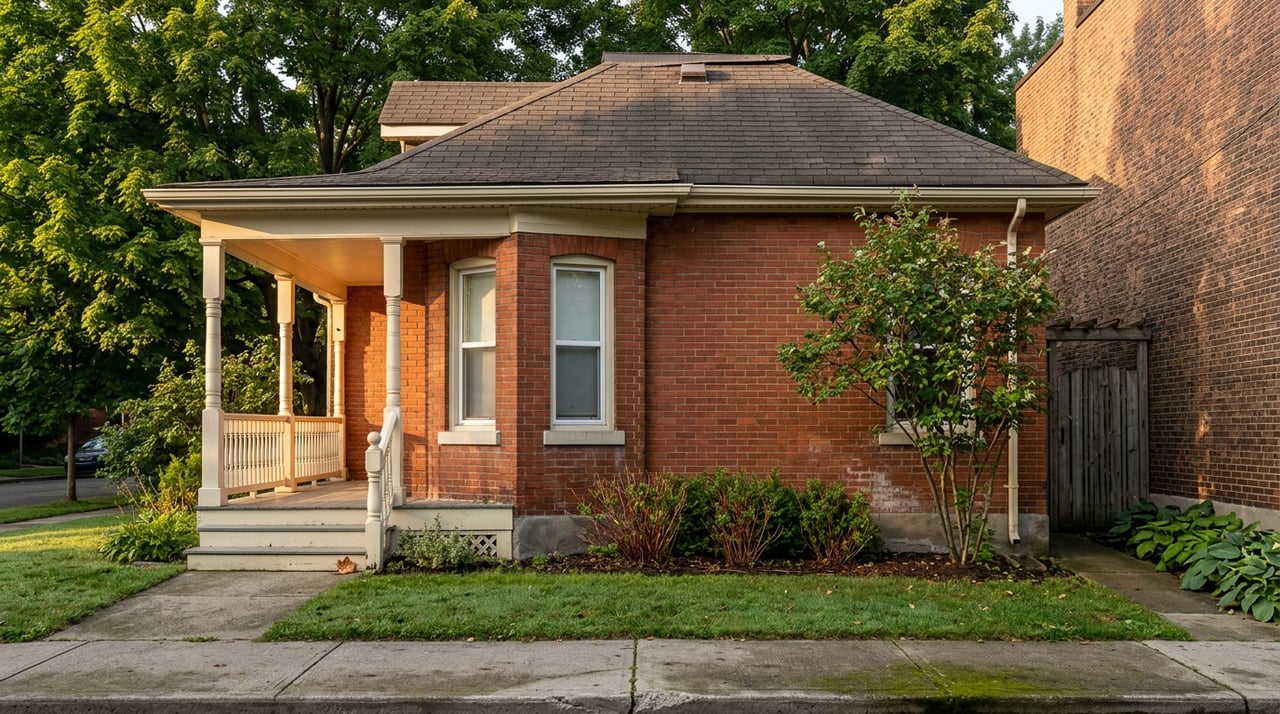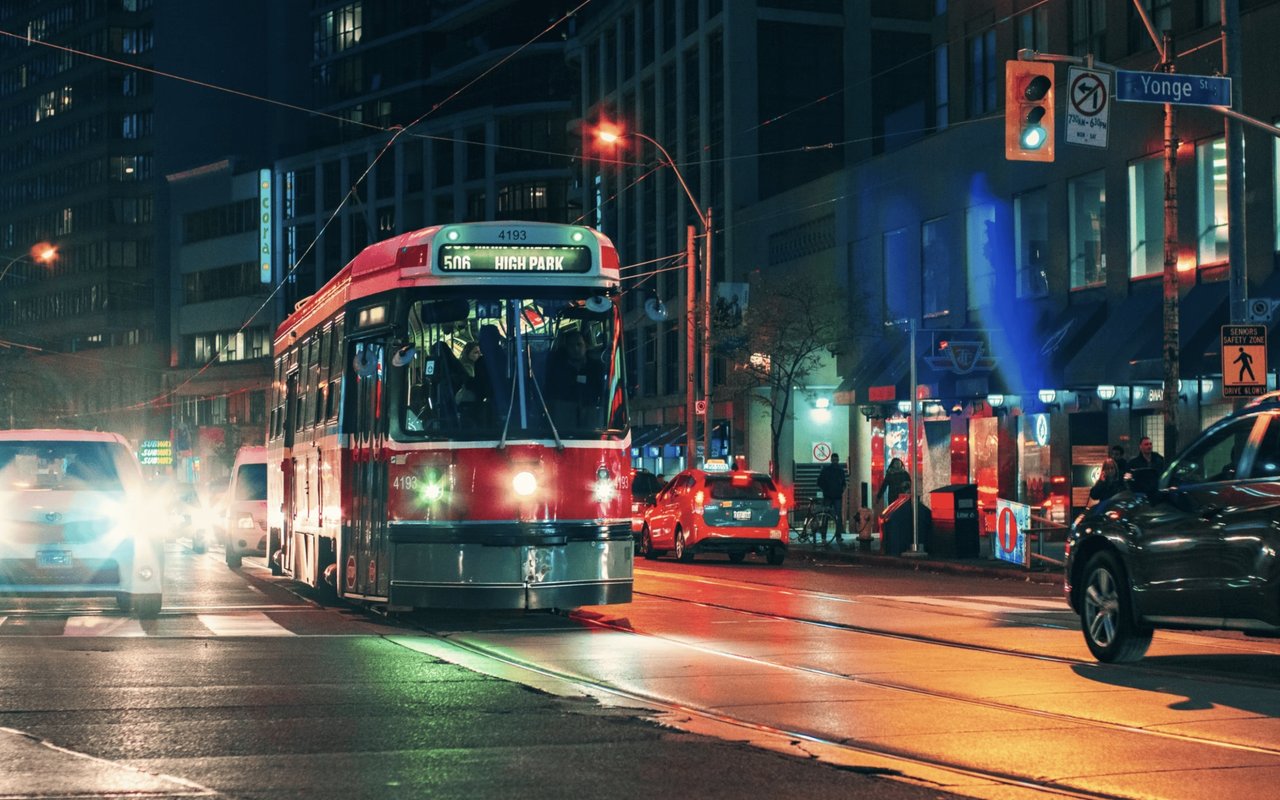
Buyers! Now is your time. The federal government has proposed its 2022 budget, making fair access to housing the main priority. The budget focuses on two areas in particular.
- First, the goal is to offer money and tax incentives to increase the housing supply and make buying a house easier.
- Second, the government is trying to get business interests out of the housing market so that our limited supply of dwellings can be going to people who need housing and so that speculation doesn’t drive up housing costs.
Here are the main proposals that will affect the Toronto market:
1. Tax-free First Home Savings Account:
Like an RRSP, the government will allow prospective first-time homebuyers to save up to $40,000 tax-free. Buyers can then withdraw that money tax-free to purchase a home, plus the investment income.
Our Take: Hooray! This will be a welcome relief to first-time homebuyers, whose money will go farther now than before. It won’t bridge the gap between affordability and unaffordability, but this will remove some pressure but for those who are scraping by to get their first home.
2. Policies and Money to Build More Toronto Homes:
Money to build houses. Money to make sure that homes can be produced quickly. 6000 new low income units. Tax incentives for homeowners to add secondary suites for seniors and adults with disabilities.
Our Take: This is also a no-brainer good idea. With such an imbalance of supply and demand, we need more housing opportunities for people. It will be interesting to see how they spread their money across the country.
3. Anti-Flipping:
This proposal is getting a lot of attention. If a homeowner holds property for less than a year, they will be taxed on the total amount of their profit as business income, subject to exceptions for death, divorce, loss of job etc. The goal here is to remove businesses from renovating houses and making big profits within a year.
Our Take: House flipping is rampant in Toronto, and it is a complicated phenomenon to nail down. An anti-flipping measure will likely help homebuyers because it will mean that they’re not competing against businesses that have a lot of cash when bidding on properties. However, I’m not so sure that this particular measure will do much. In homeownership, 12 months is not a very long time, especially when getting permits and renovating a home. After thirteen months what’s to stop someone from selling a house tax-free (assuming they’re claiming it as their primary residence)?
4. Banning Foreign Investment:
There will be a two-year ban on “foreign commercial enterprises and people who are not Canadian Citizens” from purchasing non-recreational property in Canada. There will, of course, be exceptions for people who are physically present and intend to make these houses in their primary residences.
Our Take: The government does not do a good job tracking homeownership data. So, they’re making this big announcement about banning foreign investments using limited data and big assumptions. Canada has explicitly not, until very recently, collected data of board members of a corporation that owns a home. There are many reasons why Canadian citizens and non-citizens would want to own a house using a corporation to hold the title. So-called foreign investment may be dominant in Canada, but it may not be. If it is true that a lot of foreign money uses Canadian real estate as a tax shelter, that’s something we’d want to know about. However, we don’t have an accurate picture of homeownership. With limited data, it’s impossible to know if this will help the market.
➤ Learn more about all of the policies right here.
➤ Want to learn more about buying a home in Toronto? These resources will help:
- Homebuyer Protection Period: Coming To Toronto?
- Does the Toronto Real Estate Market Stress You Out?
- Get Help Buying a Home in Toronto
Here’s what we know for sure. Whenever the government talks about the housing market, the market starts to slow down regardless of the actual proposed policies.
This is good news for most because the Toronto market needs to stabilize. It is very likely that prices won’t drop. But, houses may take a few extra days to sell, and we likely won’t see houses selling for such shocking prices. Buyers, this is your time to go buy something. Hit the pavement! Don’t waste this opportunity! It is almost definitely temporary.
As always, stay safe. — Robyn Vander Vennen.