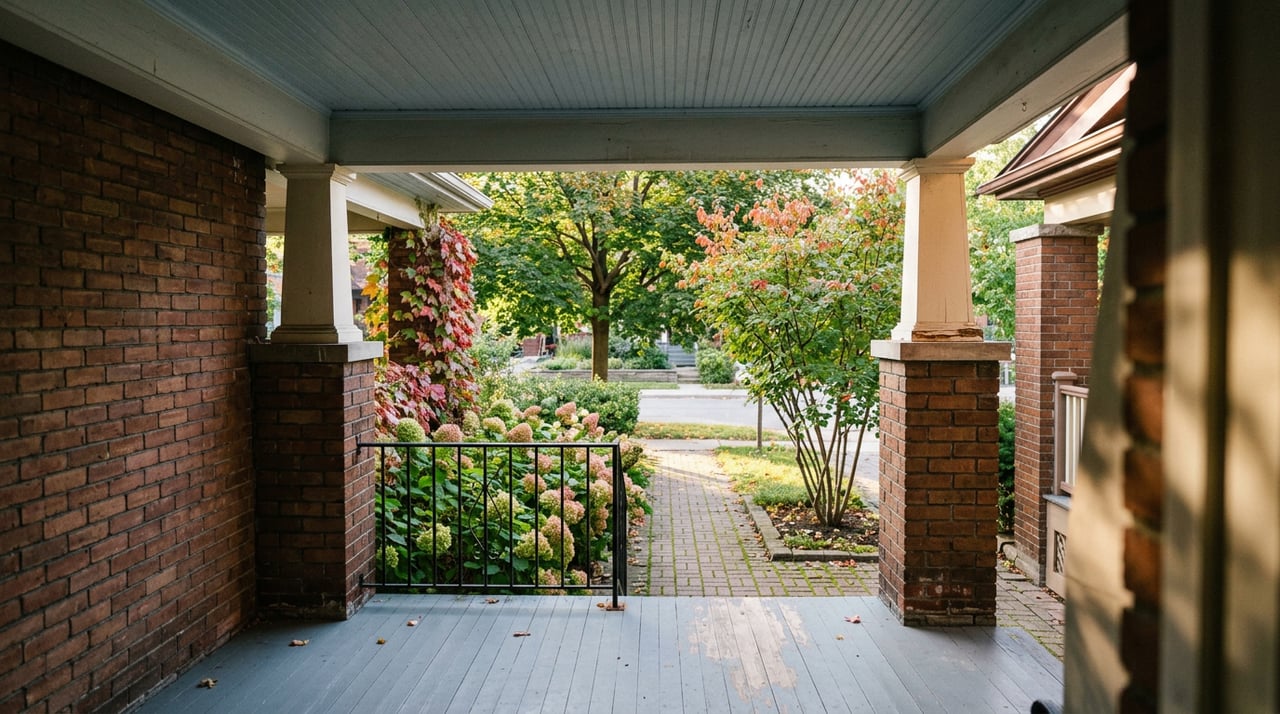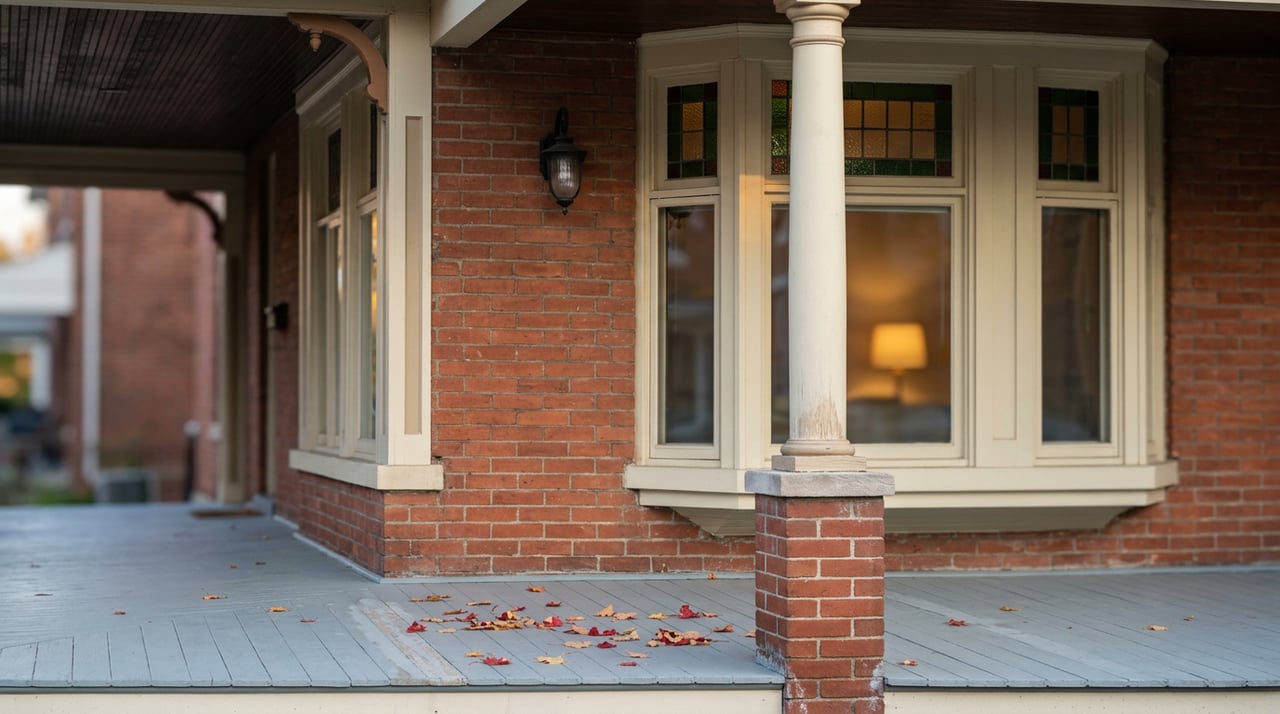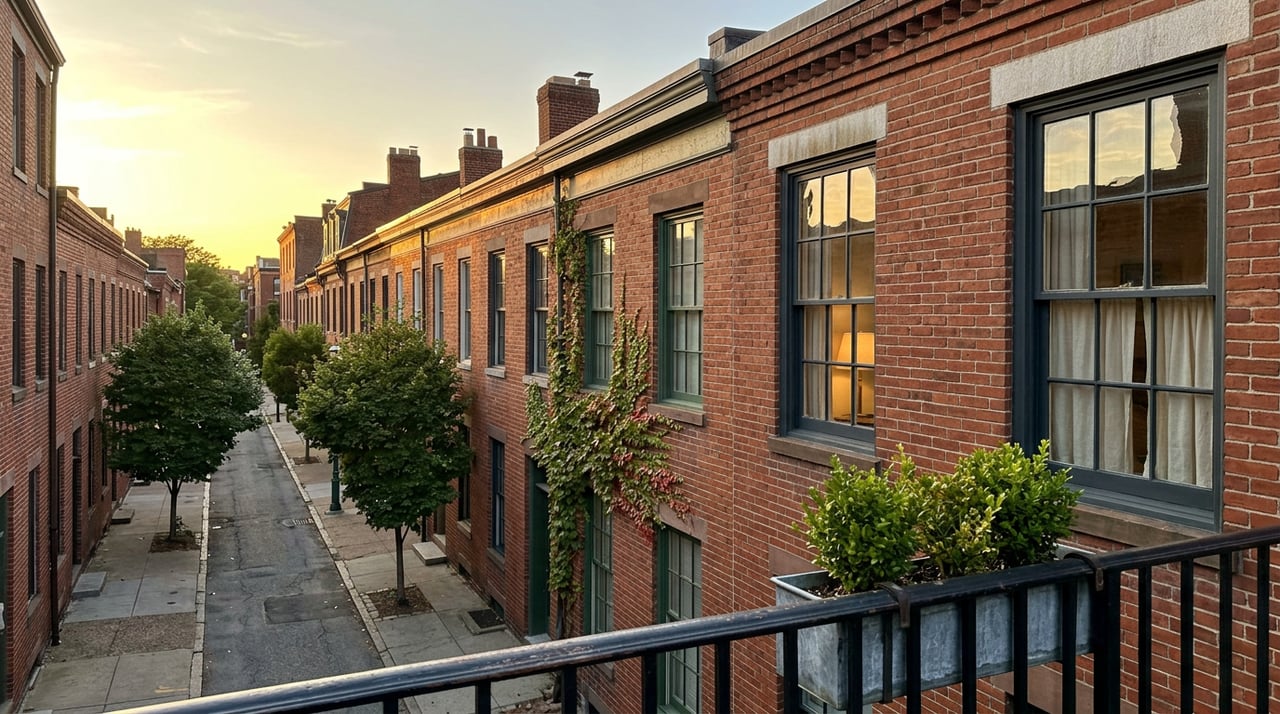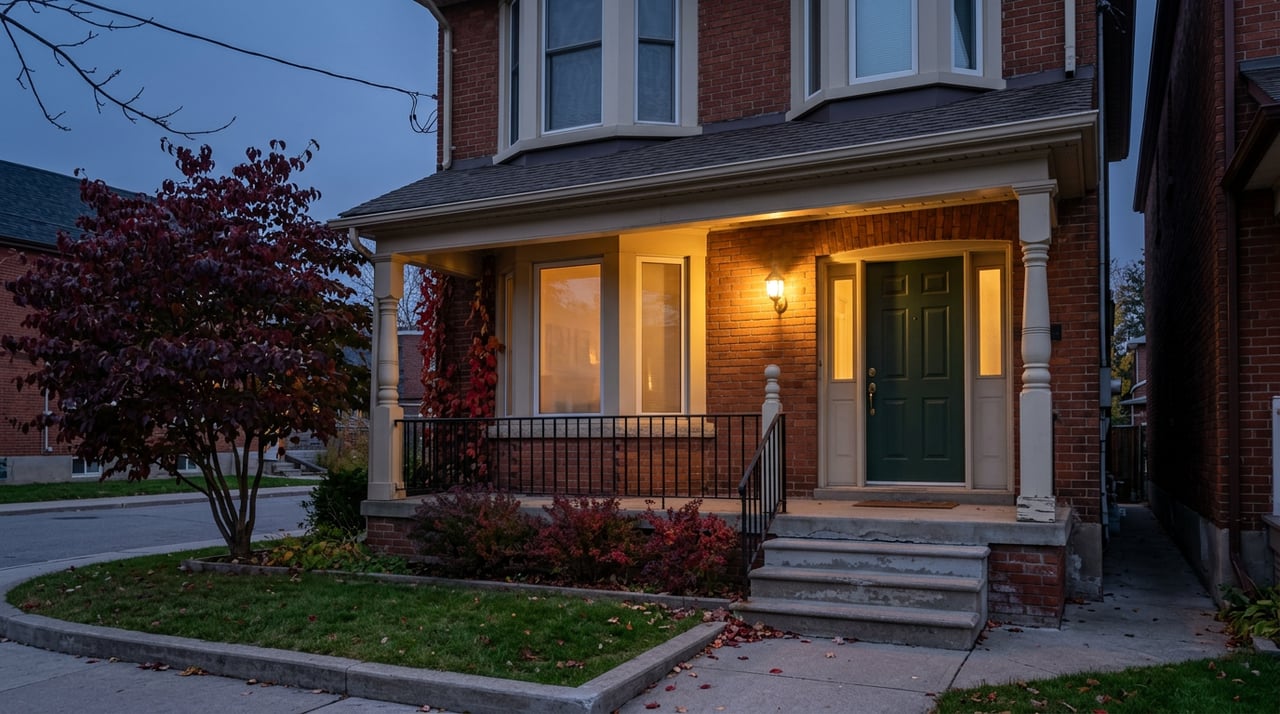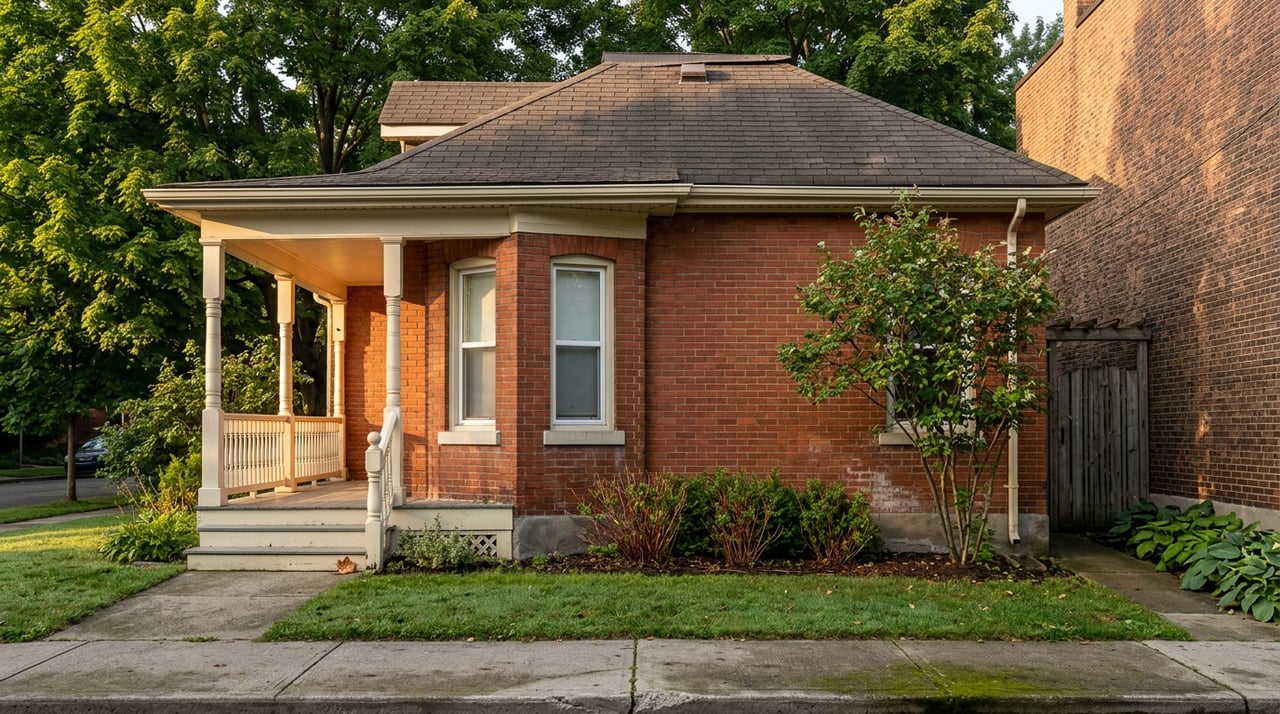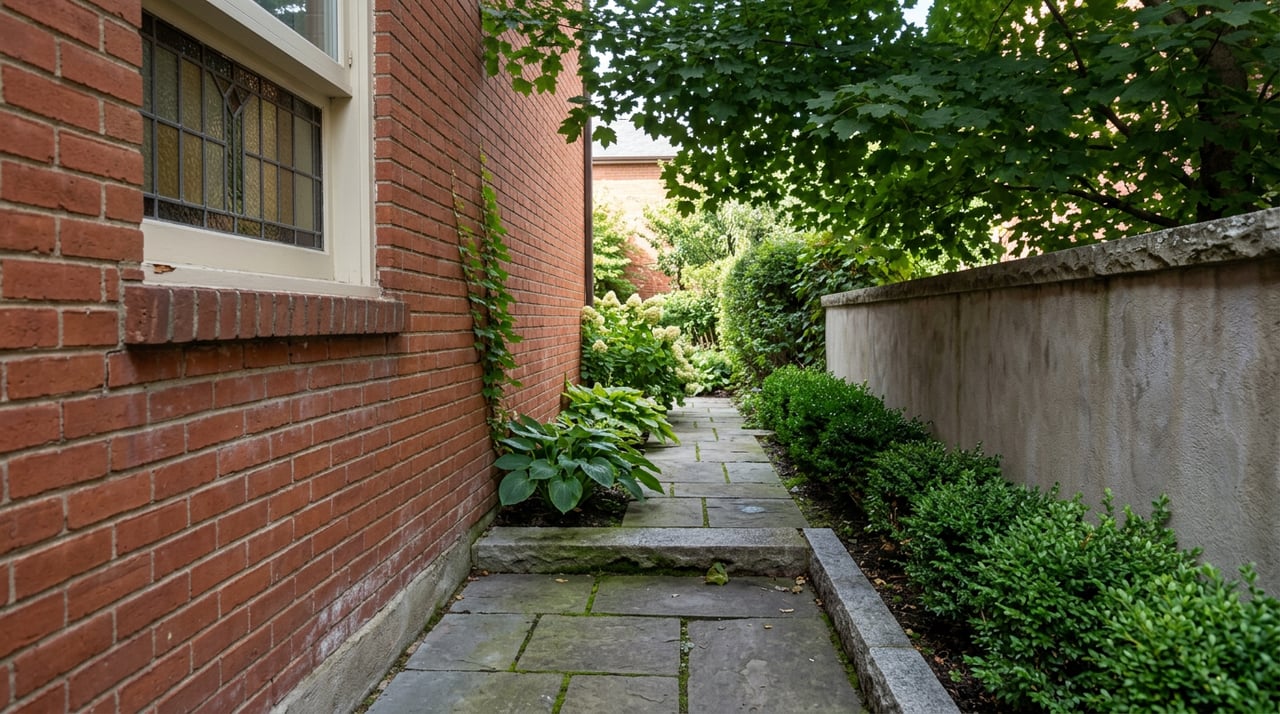
Two detached houses come up in Swansea the same week. Both list around $2.1 million. Both sit on generous lots, both walk to the Runnymede subway, both have the storybook front garden the neighbourhood is known for. One sells in eight days over asking with four offers. The other sits, drops, and eventually trades below list to a single buyer who takes a long look at the survey before signing.
The gap between those two outcomes is rarely about kitchens. In Swansea, more often than not, it is about a map layer that never appears in the listing photos: the Toronto and Region Conservation Authority's regulated area, and where the property sits relative to it.
The map layer nobody prints on the feature sheet
Swansea's charm is inseparable from its topography. The neighbourhood is bounded by the Humber River on the west, Bloor Street on the north, High Park and Grenadier Pond on the east, and Lake Ontario on the south, and upper Swansea sits roughly 30 to 40 feet above the water with steep hillsides down to Grenadier Pond, the Humber, and Rennie Pond. Grenadier Pond is a 35-acre pond fed by Wendigo Creek, and the section of Bloor Street west of High Park is actually landfill built on top of the old Wendigo Creek ravine that was buried in 1914 and 1915. Every one of those features is why buyers fall in love. Every one of those features is also why the Toronto and Region Conservation Authority has jurisdiction over a wide band of lots inside the M6S postal code.
The regulation that matters is Ontario Regulation 41/24 under the Conservation Authorities Act. Where it applies, TRCA reviews development in and near valleys, watercourses, wetlands, and hazard lands. The list of activities that can trigger a permit is longer than most buyers expect: new builds and replacement homes, additions, garages, sheds, decks, pools, retaining walls, and even landscaping and grading. Section 5 of the regulation carves out narrow exceptions such as fences that meet certain criteria, but the working assumption on a regulated Swansea lot is that if your project moves earth or changes the building footprint, TRCA is in the file.
This is not a Rosedale or Bayview problem imported west. Swansea has its own inventory of regulated lots along Ellis Avenue and Grenadier Heights above the pond, through the Brule Gardens enclave and Riverside Drive along the Humber, and around the Rennie Park ravine that Ellis Avenue steps down into. A well-known Swansea renovation on the west side of Grenadier Pond, designed by Altius Architecture, worked around exactly this constraint: the ravine location meant the dimensions of the house and its outdoor terraces could not be changed, so the project had to redesign inside the existing envelope.
What the July 2026 numbers hide
The blended market picture in High Park-Swansea looks strong on the surface. As of late July 2026, average sale prices across the pocket sat around $1.44 million with median days on market near 17 to 19 days, and homes were transacting at roughly 103.6% of list, with 52.9% selling in under ten days and 38.2% closing over asking, according to Zolo's Toronto board data. iDEALtoronto's July 2026 market note put High Park and Swansea at a roughly 100% sale-to-list average, buoyed by very tight supply.
Break the average and the story changes shape. Wahi's June 2026 pull showed a detached median sold price of about $2,019,500, up 28.3% year over year, while the condo median came in near $595,000, down 6.3%. The freehold market is doing the heavy lifting. That matters because the ravine question sits almost entirely inside the freehold market, and inside the freehold market it is quietly bifurcating outcomes.
The TRCA line does not lower every regulated lot's value. It narrows the buyer pool. Buyers who wanted to add a third storey, dig a walk-out basement toward the pond, or put a pool in the back yard walk away. Buyers who wanted the exact house that already exists lean in.
That is the mechanism worth naming out loud. On a regulated lot, the resale audience shifts from "renovators and expanders" to "restorers and finishers," and the buyer pool for the second group is smaller and slower.
What actually gets caught in the review
For a mid-Swansea buyer trying to price the friction, these are the project categories that reliably pull TRCA into the file on a regulated lot:
- Additions of any size, including a rear bump-out or a third-storey pop-up
- Full teardown and rebuild, even inside the existing footprint if grade or setbacks shift
- Basement lowering, underpinning, or a walk-out cut into a slope
- In-ground pools and hot-tub excavations
- Retaining walls and terracing on a hillside lot
- Deck expansions that extend closer to the top of bank
- Any grading, fill, or tree removal near a watercourse or slope
TRCA offers a Property Inquiry Service that produces a formal letter confirming whether a property is likely affected, and a Concept Development Application that returns a preliminary staff opinion on what a specific project could look like. The Concept Development route typically runs around four weeks. Broader ravine and conservation approvals, once studies and revisions are counted, commonly stretch from one to six months, and consultant reports such as arborist, geotechnical, or hydrological studies routinely add several thousand dollars per file on top of application fees.
The line every buyer should read from the TRCA planning materials is this: the authority is under no obligation to meet real estate deadlines. A 60-day close with a firm plan to add a family room next spring is not a plan. It is a wish.
How to read a Swansea listing with the ravine in mind
For a buyer comparing two Swansea addresses in the $1.5M to $3M band, the map layer is worth working through before the second showing.
- Pull the property up on TRCA's Regulated Area Search Tool and note whether the lot, or any part of it, sits inside the mapped area. Confirm anything ambiguous with TRCA staff before firming up.
- Read the survey, not just the listing. A shallow rear yard on a lot backing onto Grenadier Pond or the Humber slope often signals a stable top of bank that has already pushed the buildable envelope forward.
- Ask the listing agent what has been permitted at that address in the last ten years. A recent addition on a regulated lot is a positive signal; it means TRCA already blessed something once, and the working relationship exists in the file.
- If your plan requires expansion, request a TRCA Property Inquiry letter during conditional period and, on a serious project, a Concept Development pre-consultation. Both create written evidence you can act on, and both take real time.
None of this means avoiding regulated lots. The most spectacular houses in Swansea, from the Ellis Avenue perch over Grenadier Pond to the Brule Gardens pocket above the Humber, sit on precisely these lots for a reason. The country-in-the-city feel that draws buyers to Swansea in the first place is a direct product of the same conservation framework that constrains what can be built there. What matters is that the price you offer, and the closing timeline you accept, both reflect what the lot will actually allow you to do after you own it.
FAQ
Does a TRCA-regulated lot always sell for less than an unregulated one? No. On the highest-end Swansea lots overlooking Grenadier Pond or the Humber, the view and privacy premium can outrun any expansion penalty, especially for buyers who want the existing house and no fight. The discount, where it exists, tends to show up on mid-market houses that would otherwise be candidates for a third storey or a rear addition.
How do I find out for sure whether a specific Swansea address is regulated? Start with TRCA's Regulated Area Search Tool, and confirm with a Property Inquiry through TRCA. The mapping is a strong general guide, but only staff confirmation is a formal record you can rely on for a purchase decision.
Can I close in 60 days on a regulated lot and start work in the spring? You can close. Whether you can start work in the spring depends entirely on the scope. Interior renovations that do not touch grade, footprint, or structural bearing usually proceed. Anything that expands the envelope should assume a review calendar measured in months, not weeks.
Are these constraints unique to Swansea? The regulation is city-wide, but Swansea is unusually saturated with it because three natural boundaries and a buried creek all sit inside the neighbourhood's edges. The share of freehold inventory touched by the regulated area is higher here than in most West Toronto pockets.
If you are weighing two Swansea addresses, or trying to price the ravine question into an offer before it prices you out of one, the map matters as much as the floor plan. Kim Kehoe and the team have worked these blocks since the late 1990s and are happy to walk the TRCA line with you on any listing you are considering.