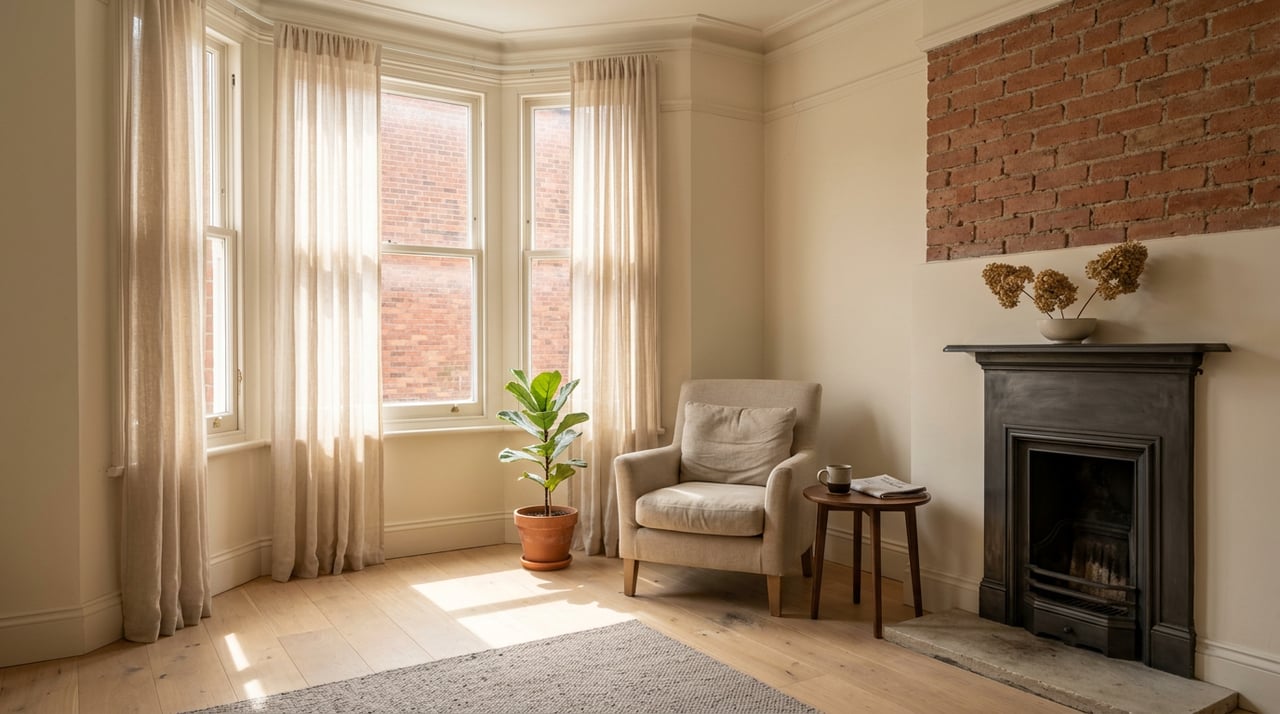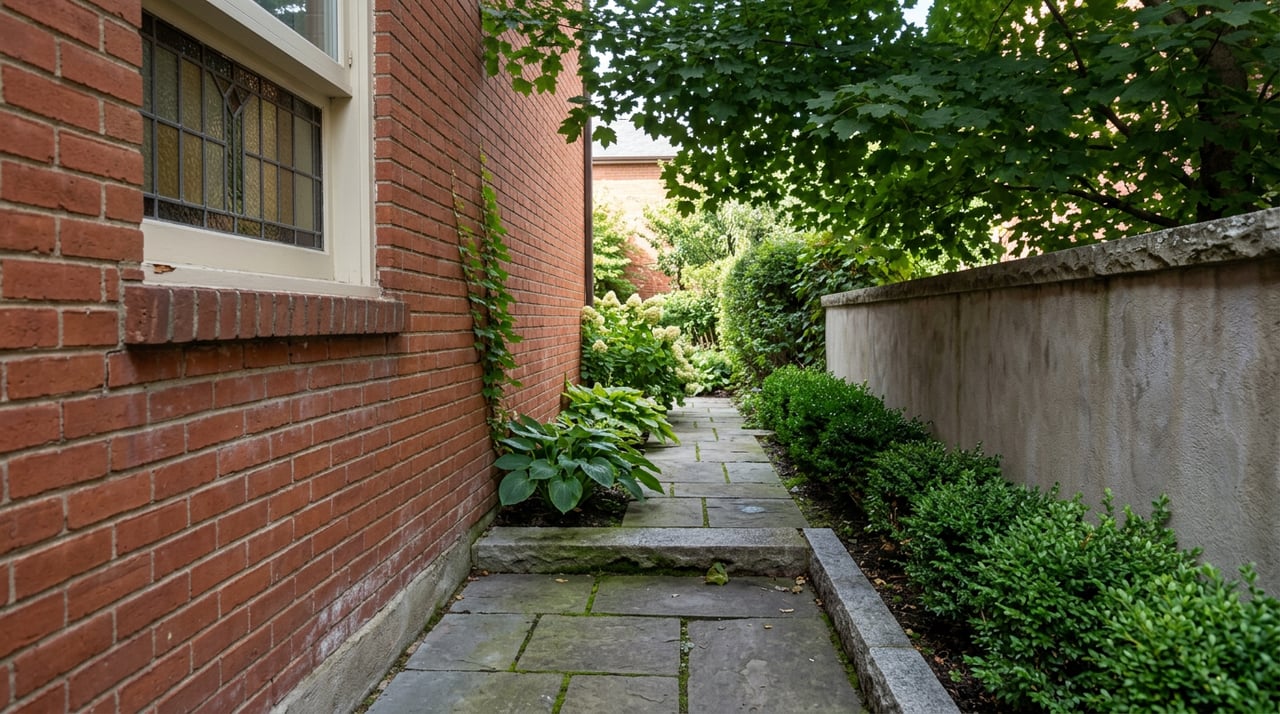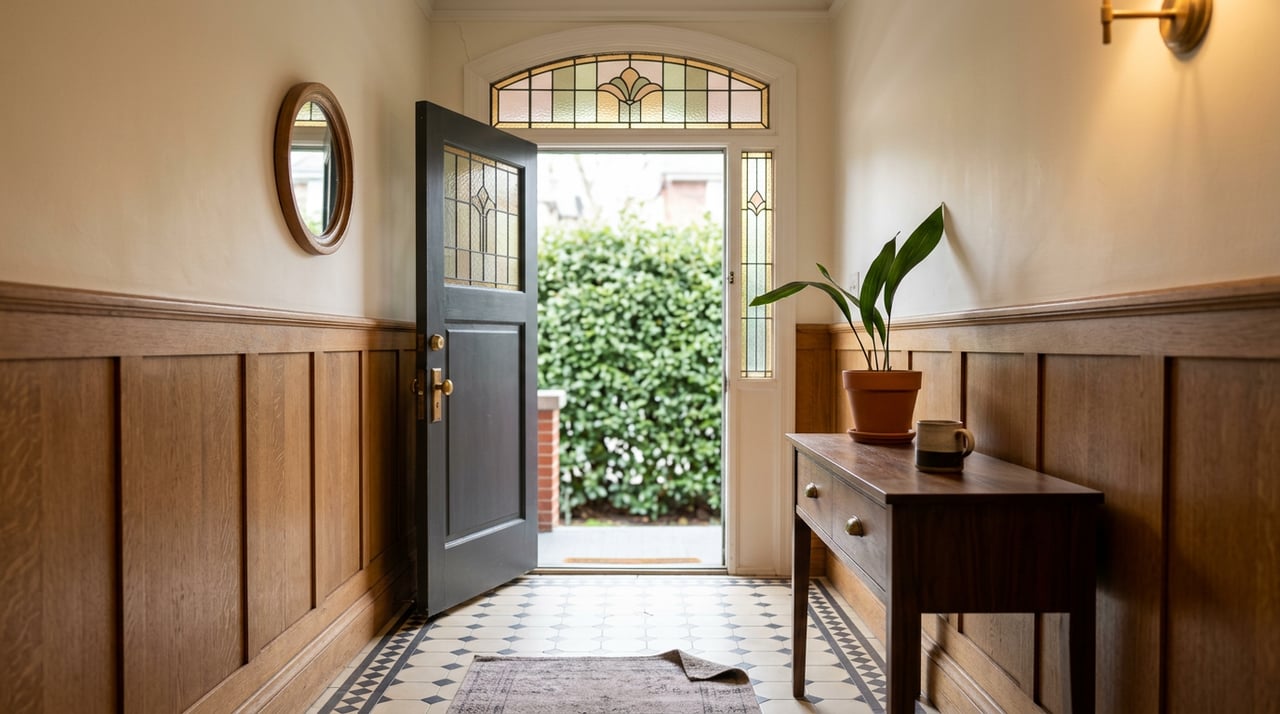
If you have been comparing west-end semis on price alone, Parkdale looks like the value play of the summer. A South Parkdale house sits at an average of $1,394,110 as of HonestDoor's June 2026 read, while Roncesvalles averages $1,639,312 and High Park–Swansea sits in a different bracket at $2,394,333. Same era of housing stock, same streetcar, same distance to the lake. The gap looks like a bargain that the rest of the market has not caught up to yet.
The gap is real. The reason for it is not the one most buyers are told at open houses. A meaningful share of Parkdale's house stock is not, in a legal sense, a house. It is a licensed multi-tenant building, and the bylaw layer sitting on top of that classification is what a buyer inherits at closing. That layer is what the price is actually discounting.
The friction that surfaces at the offer table
When a buyer walks into a Parkdale Victorian and pictures a single-family renovation, the deal-shaping question is not what the drywall costs. It is whether the City of Toronto's Rental Housing Demolition and Conversion Control Bylaw applies to the building. That bylaw covers any demolition or conversion of six or more residential units where at least one is rented, and a conversion approval requires replacement units at similar rents, a right of return for existing tenants, tenant compensation, and at least four months of vacate notice once Council signs off. The process can run months to years.
A buyer who assumes the seller will "just deliver the house vacant" is often wrong in Parkdale, and the wrongness is expensive. The 2017 Parkdale Neighbourhood Land Trust study documented 198 rooming houses in Parkdale with an estimated 2,715 dwelling rooms, more than double the local Toronto Community Housing stock. That is the pool of buildings the bylaw layer applies to, and it is concentrated on exactly the streets whose listings look sharpest against Roncy comparables.
What the price gap is actually pricing
Set the west-end averages side by side and the discount is easy to see. Set them next to the transaction friction and it starts to explain itself.
| Neighbourhood | Avg. house price (June 2026) | Notes |
|---|---|---|
| South Parkdale | $1,394,110 | Down 1.94% recent period; growth rank 37 of 43 |
| Roncesvalles | $1,639,312 | Adjacent, same era of stock |
| Little Portugal | $1,616,160 | East of Dufferin |
| High Park–Swansea | $2,394,333 | Freehold benchmark |
Averages via HonestDoor, June 2026.
The macro backdrop matters here too. Toronto's June 2026 sales-to-new-listings ratio was 39%, which TRREB data via nesto describes as buyer's market conditions across the GTA, with the MLS Home Price Index down 5.4% year over year. In a market where buyers already have negotiating room, a Parkdale house sitting 15% below Roncesvalles is not a mispricing. It is the market pricing in something a buyer's lawyer will find in title.
The house that is not a house
Consider a mid-block Cowan Avenue Edwardian listed at $1.35M with income figures in the feature sheet. Nine bedrooms, three kitchens, four hydro meters. The listing calls it an "investment opportunity" or a "renovator's dream." Both descriptions are accurate. Neither one names the bylaw layer.
A licensed multi-tenant house in Parkdale is not a house that happens to have tenants. It is a use class. Converting it back to single-family, or even down to a fourplex, is a Council-level application with tenant relocation obligations attached to the land. The obligations bind future owners of the land, not just the applicant who files.
That last sentence is the one that changes the math. A buyer who pays $1.35M expecting an eighteen-month gut and a single-family resale at $1.9M has to price in a rental-replacement process the seller was never going to run. If the buyer instead operates the building as-is, they inherit the Multi-Tenant Houses Licensing Bylaw, mandatory since March 31, 2024, with Council amendments in force February 15, 2026 and fines reaching $100,000 for non-compliance. And if they plan renovations that require tenant vacancy, the Rental Renovation Licence Bylaw has been in effect since July 31, 2025, with its own $100,000 ceiling on fines.
Three bylaws, one building. The price discount at the offer stage is a fair proxy for the friction ahead.
Three doors, and only one of them is the "single-family reno"
A buyer stepping into a Parkdale house of this profile is really choosing among three post-closing paths. Each has a different cost curve, and each is priced differently by informed sellers.
- Operate and license. Keep the multi-tenant use, get the licence current, meet the standards. Rents in place stay in place under the Residential Tenancies Act. Cash flow is real, and South Parkdale currently posts one of the higher rental yields in the west end at roughly 4.25% on HonestDoor's June 2026 numbers. The exit is another investor.
- Reduce units through a rental replacement application. File under the demolition and conversion bylaw, negotiate a tenant assistance plan through Council, deliver replacement units at similar rents or compensate for relocation. This is a real path, but it is measured in years, not months, and the tenant obligations run with the land.
- Convert as-of-right under the multiplex framework. Toronto permits up to four residential units as-of-right on virtually every residential lot since May 2023, and the sixplex permission was adopted for the Toronto and East York District in June 2025 with development charges waived up to six units. The catch in Parkdale is lot geometry. A 25-foot lot often will not accept a sixplex within FSI and coverage limits, and the multi-tenant use question does not disappear just because the zoning permits more units.
The single-family gut renovation, the story most casual buyers show up with, is not on this list for a reason. It is the fourth door, and it is the one with the rental replacement process nailed to the frame.
How to read a Parkdale listing with the layer visible
The listing photos will not tell you which door you are walking through. A short pre-offer checklist does most of the work:
- Ask for a current multi-tenant house licence number, or written confirmation the property is not licensed and has never been licensed.
- Pull the hydro meter count on site. Four meters on a two-and-a-half storey semi is a signal, not decor.
- Request the rent roll, existing tenancy agreements, and last twelve months of N-notices filed at the Landlord and Tenant Board.
- Confirm whether the property falls within the pre-1996 stock covered by Parkdale's still-in-place ban on new rooming house conversions, which limits the "just re-license it" fallback.
- Have your lawyer condition the offer on a Rental Housing Demolition and Conversion Control Bylaw review if unit count is at or above six with any rental history.
None of this makes Parkdale a bad buy. The 1997-to-2012 data showed a documented pattern of conversions to single-family, and 28 more houses moved that way in the decade before the 2017 PNLT study. Those transactions closed. They closed with buyers who understood which door they were walking through and priced the friction in.
The Parkdale pipeline nobody is pricing yet
One more piece belongs on the table. UrbanToronto reported in April 2026 that a cluster of proposals across Parkdale would add more than 400 affordable and supportive housing units through non-profit and public partners. When those units deliver, they change the replacement-unit math for private conversions, because the neighbourhood's affordable stock gets counted in aggregate for policy purposes. Councillor Gord Perks, who chairs the Planning and Housing Committee, sits for Parkdale–High Park. The policy centre of gravity for this bylaw layer is in the ward, not somewhere across the city.
Buyers who transact on Parkdale semis in 2026 and 2027 will be doing so as this pipeline moves from proposal to permit. The price gap to Roncesvalles may narrow, or it may widen, depending on which door most transacting buyers walk through. The gap will keep telling the truth about the friction. It is just going to be a different truth in eighteen months than it is today.
FAQ
Does the multi-tenant layer apply to a house with a legal basement apartment?
A legal two-unit or three-unit house is not a multi-tenant house under the licensing bylaw. The licensing regime covers buildings where four or more rooms are rented to separate people who do not live as a single household. Two self-contained units in a semi are a different animal, and the demolition and conversion bylaw only bites at six units with at least one rental.
Can a seller deliver vacant possession on a licensed rooming house?
Not on demand and not on a firm timeline. Tenancies are protected under the Residential Tenancies Act, and the demolition and conversion bylaw layers a separate Council process on top for buildings that meet the six-unit threshold. Sellers who promise vacant possession without a signed N-11 or LTB order in hand are promising something they may not control.
If the zoning permits a fourplex or sixplex, does that override the rental replacement obligations?
No. The multiplex framework governs what can be built. The demolition and conversion bylaw governs what happens to the rental units already inside the existing building. Both apply. The zoning right does not extinguish the tenant right.
How does this compare to buying a semi in Roncesvalles?
The same bylaws exist across the city. The concentration of licensed multi-tenant buildings is what differs. A Roncesvalles semi is far less likely to carry the layer, which is a significant part of why its average sits higher.
If you are weighing a Parkdale offer against a Roncesvalles or High Park–Swansea comparable, the price gap is worth interpreting before it is worth acting on. Kim Kehoe and the team at Bosley's Queen West office read these listings for a living, and can walk through the specific door your building is standing in front of. Contact Us.