If you are thinking about living near High Park, you are probably wondering what daily life actually feels like once the novelty wears off. That is a smart question, because in High Park-Swansea, the park is not just a backdrop. It shapes how you move through the day, where you run errands, and how you spend your weekends. If you want a clearer picture of the area before you buy, this guide will walk you through the rhythm of life here. Let’s dive in.
High Park Shapes the Routine
Living beside High Park means green space becomes part of your normal week, not just a special outing. The park includes tallgrass savannah, prairie, woodland areas, paved trail and sidewalk entrances, dog off-leash areas, allotment gardens, playground space, sports fields, an outdoor pool, a wading pool, splash pads, the High Park Animal Display, and the High Park Nature Centre.
In practical terms, that gives you a lot of ways to use the area without making a plan around it. You can fit in a morning walk, a run after work, playground time with kids, or a quick dog outing without needing to drive anywhere.
For many buyers, that everyday access is the biggest draw. The park supports an active, outdoorsy routine while still keeping you close to the rest of West Toronto.
Park Use Feels Built In
Some neighbourhoods have a major amenity nearby. High Park-Swansea feels more integrated than that. The park is woven into daily life, which is a big part of why the area has such lasting appeal.
That also means your lifestyle here can feel a little different from other Toronto neighbourhoods. If you value outdoor space that is easy to reach and easy to use often, this location stands out.
Bloor West Handles Daily Errands
Just east of the park, Bloor Street West adds the everyday convenience layer. Along the stretch between Dundas West and Keele, you will find coffee shops, bakeries, groceries and convenience stops, restaurants, pubs, fitness businesses, salons, and health services.
Current examples in the area include Cherie Cherry Cafe, Cosette Coffee, Outpost Coffee Roasters, Tim Hortons, Andrea’s Cookies, Machino Donuts, Fresh Picked Fruit Market, and Hasty Market. That mix helps explain why the neighbourhood feels easy to live in day to day.
You may not need a big shopping trip for the basics. A coffee run, a quick snack, a small grocery pickup, or a stop for personal services can often happen close to home.
A Walkable Main-Street Rhythm
This part of the neighbourhood has a nice balance. You get the calm of living near a major park, but you also get access to the kind of street activity that makes a place feel lived-in and useful.
For buyers who want a walkable routine, that matters. It is one thing to be near green space, but it is even better when your errands and casual stops fit naturally into the same area.
Transit Works Well Here
High Park-Swansea is well suited to buyers who do not want to rely on a car for every trip. High Park Station on Line 2 is accessible and currently includes two elevators, bicycle lock-up, a repair stand, and Bike Share access.
The station also connects to several TTC routes, including 30 High Park North, 189 Stockyards, 203 High Park, and 300 Bloor-Danforth. Route 30 High Park North runs all day, every day, until 1 a.m., while 77 Swansea connects Runnymede Station with the Queensway and South Kingsway area, and 80 Queensway provides another east-west option.
This transit setup gives you flexibility. Whether you are commuting, heading across West Toronto, or connecting into the rest of the city, the area offers strong options without requiring a car-first lifestyle.
Car Use Is Possible, But Not Central
Driving is certainly possible in the area, but the neighbourhood does not revolve around it. Visitor vehicles are allowed in the park Monday to Friday except statutory holidays and during the peak cherry blossom period, and parking inside the park is limited.
That reality tends to push daily life toward walking, cycling, and transit. For many buyers, that is a feature rather than a drawback, especially if they want a neighbourhood with strong local access and less dependence on driving.
Cherry Blossom Season Changes the Pace
Cherry blossom season is one of the best-known parts of High Park, but it also changes the feel of the neighbourhood for a short stretch each spring. According to the City, peak bloom usually falls in late April or early May and typically lasts four to 10 days.
During that period, vehicle access is restricted, and the area sees heavier visitor traffic. The park has 276 vehicle spaces inside it, plus more than 1,200 additional spaces within 800 metres, so spring weekends can feel busier than usual.
If you are considering living nearby, this is helpful to know upfront. For most of the year, the park is a major lifestyle advantage. During peak blossom season, it may require a little extra planning if you are driving or expecting visitors.
Seasonal Buzz Is Part of the Tradeoff
This is a good example of how a major city amenity can shape neighbourhood life. You get year-round access to one of Toronto’s signature parks, but you also share it with the wider city during standout seasonal moments.
Most buyers who love the area see that as a manageable tradeoff. It is part of living near a destination park rather than a small local green space.
Housing Options Are More Varied Than Many Expect
High Park-Swansea is not made up of just one type of home. The City of Toronto’s 2016 neighbourhood profile shows a broad housing mix: 24% single-detached houses, 5% semi-detached houses, 3% row houses, 5% duplexes, 30% apartments in buildings under five storeys, and 33% apartments in buildings of five storeys or more.
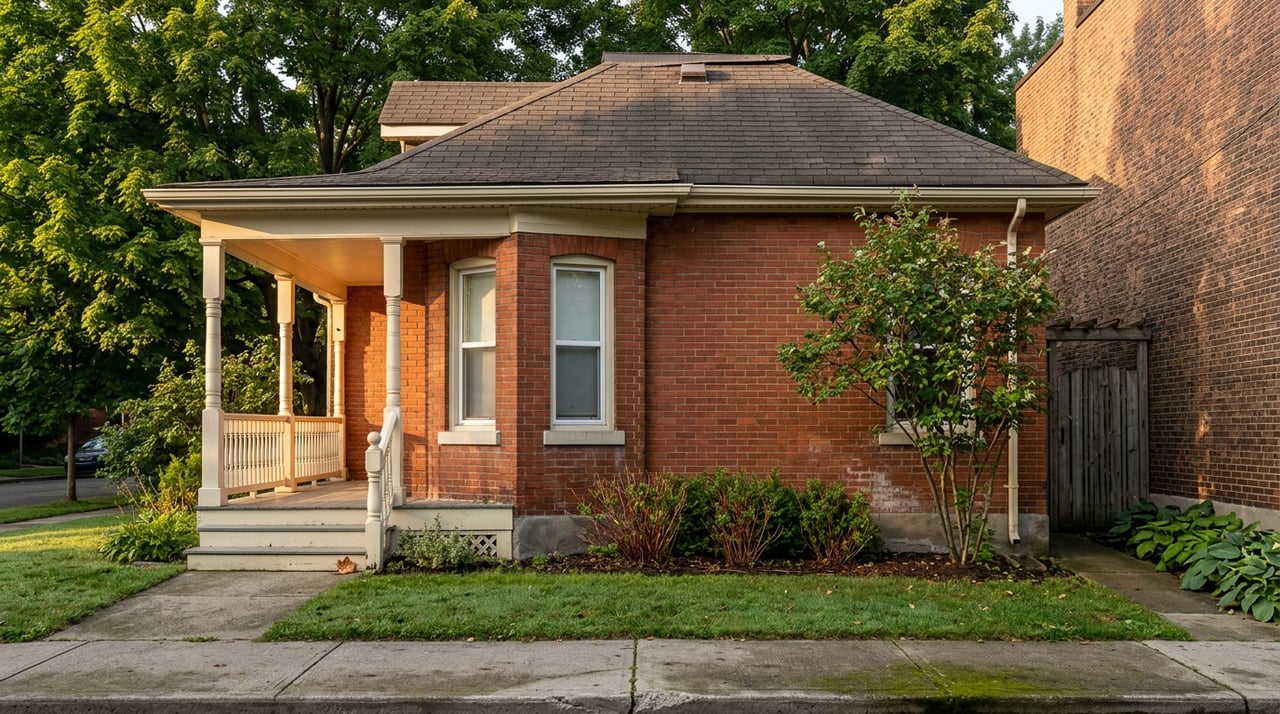
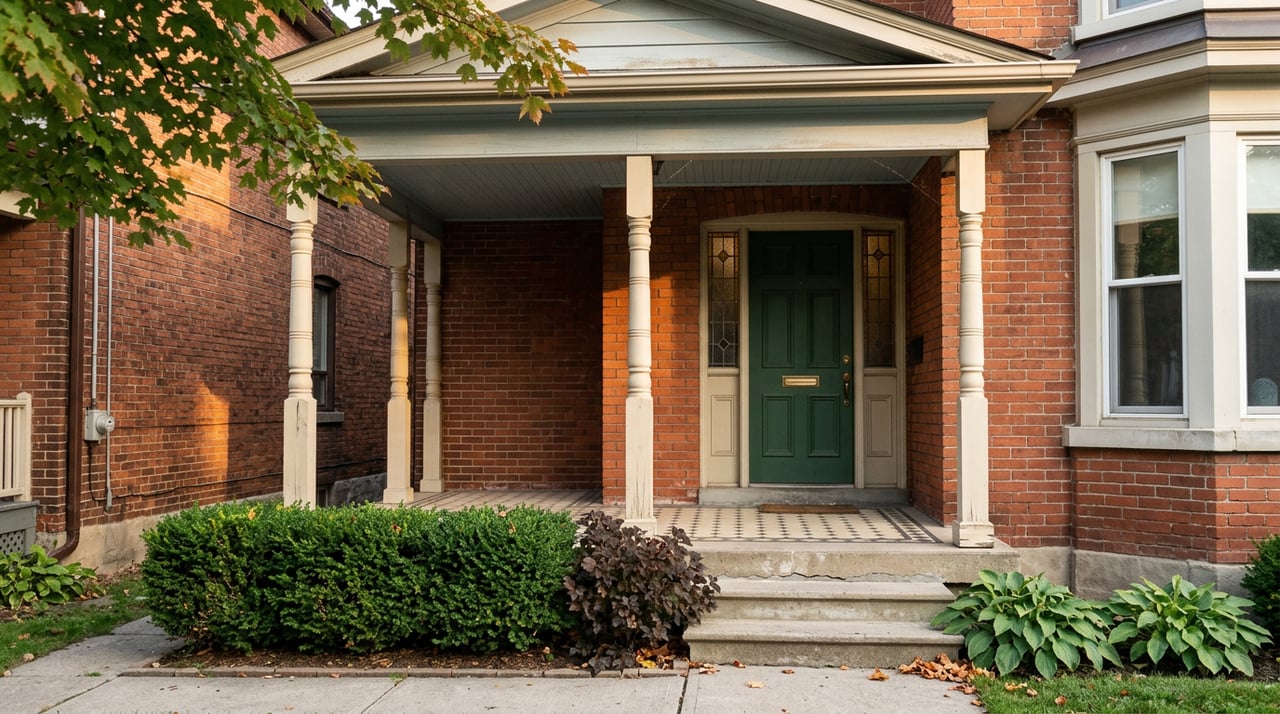
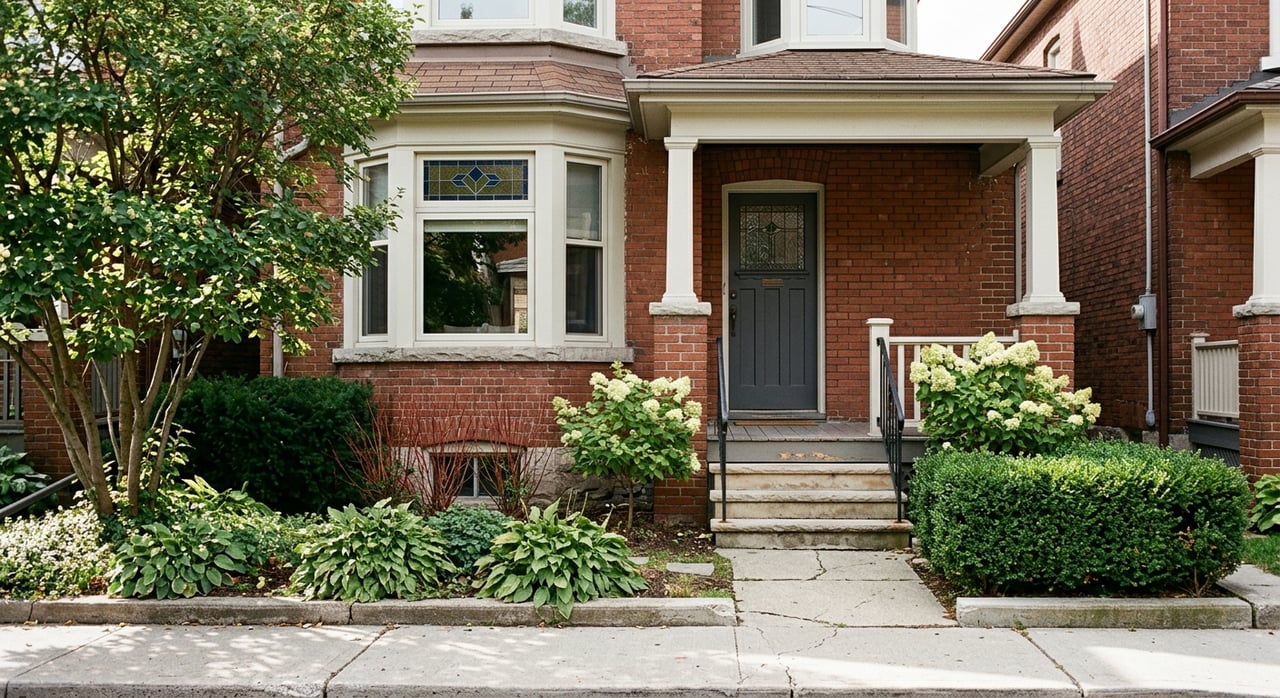
That variety matters if you are searching with a specific budget, stage of life, or lifestyle need in mind. You may be looking for an older freehold home, a condo, or an apartment-style option with easier maintenance, and the neighbourhood has a mix that supports different paths.
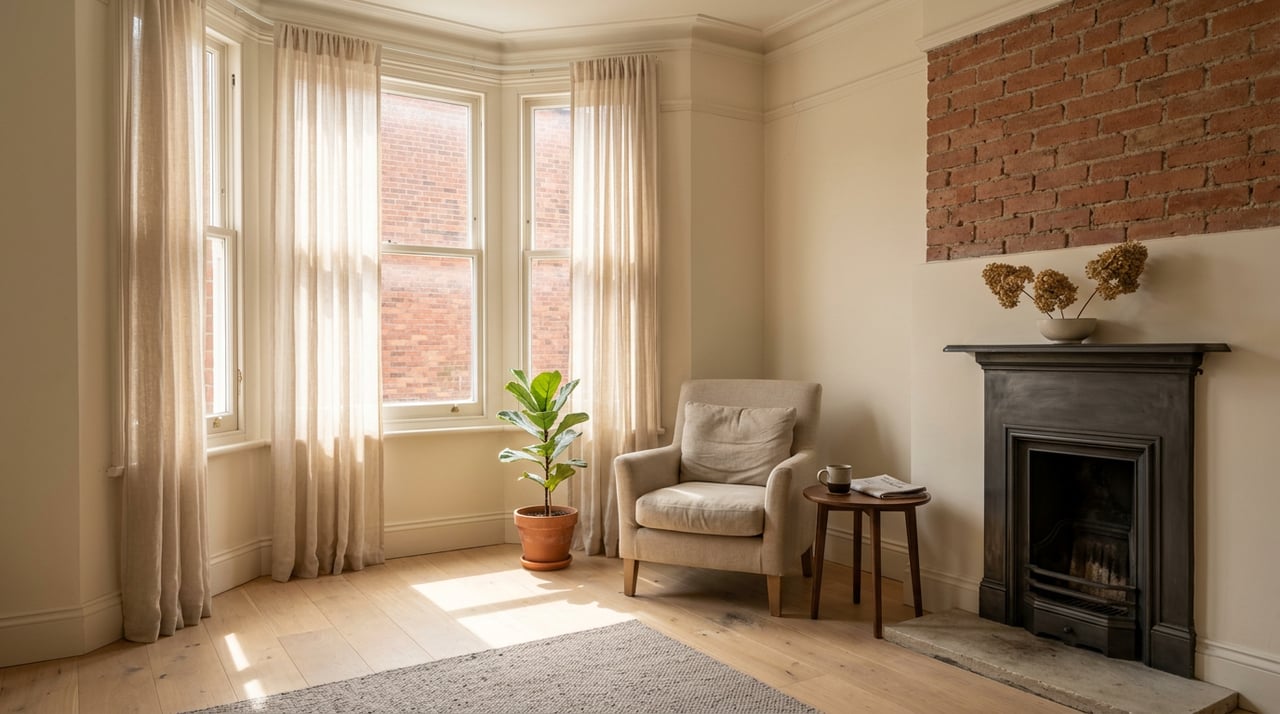
The same profile found that 32% of occupied dwellings were condos, 56% of households were owner-occupied, and 44% were renter households. It also noted that 55% of private dwellings were built before 1960, which helps explain why the area often feels established and character-rich.
Older Homes and Apartments Coexist
One of the strengths of High Park-Swansea is that it does not feel one-note. You are not limited to a single housing format or a single type of buyer profile.
That can be especially helpful if you are comparing tradeoffs. Some buyers want the space and character of an older house, while others want to stay close to the park in a condo or apartment setting. This neighbourhood can support both.
What Buyers Should Take From This
If you are drawn to High Park-Swansea, the strongest lifestyle story is simple. This is a park-first, walkable, transit-connected part of West Toronto with a housing mix that gives buyers real choice.
You are not just buying near a landmark. You are buying into a daily pattern that can include outdoor time, nearby coffee and errands, and easy TTC access.
That is why the area appeals to a wide range of buyers. Some want more space without losing city convenience, while others want a condo or apartment near one of Toronto’s most used public spaces. Either way, it helps to understand not just what is here, but how it feels to live with it every day.
If you are weighing whether High Park-Swansea fits your next move, working with someone who knows how West Toronto neighbourhoods differ block by block can make the decision much clearer. When you are ready to talk through the area, your options, and what fits your lifestyle best, connect with Kim Kehoe.
FAQs
What is daily life like near High Park in Toronto?
- Daily life near High Park often centers on regular park use, walkable errands along Bloor Street West, and easy access to TTC service.
Is High Park-Swansea a good neighbourhood for living without a car?
- High Park-Swansea works well without a car because of Line 2 access at High Park Station, multiple TTC routes, and a walkable mix of nearby services.
What kinds of homes are in High Park-Swansea?
- High Park-Swansea has a varied housing stock that includes single-detached homes, semi-detached homes, row houses, duplexes, low-rise apartments, and taller apartment buildings, plus a meaningful condo presence.
Does cherry blossom season affect living near High Park?
- Yes, cherry blossom season can bring more traffic, more visitors, and restricted vehicle access in the park during peak bloom, especially on spring weekends.
What makes High Park-Swansea different from other West Toronto areas?
- High Park-Swansea stands out for its combination of major park access, everyday convenience along Bloor Street West, strong transit options, and a wider-than-expected mix of housing types.